

Tech’s AEC director named AHEAD president-elect
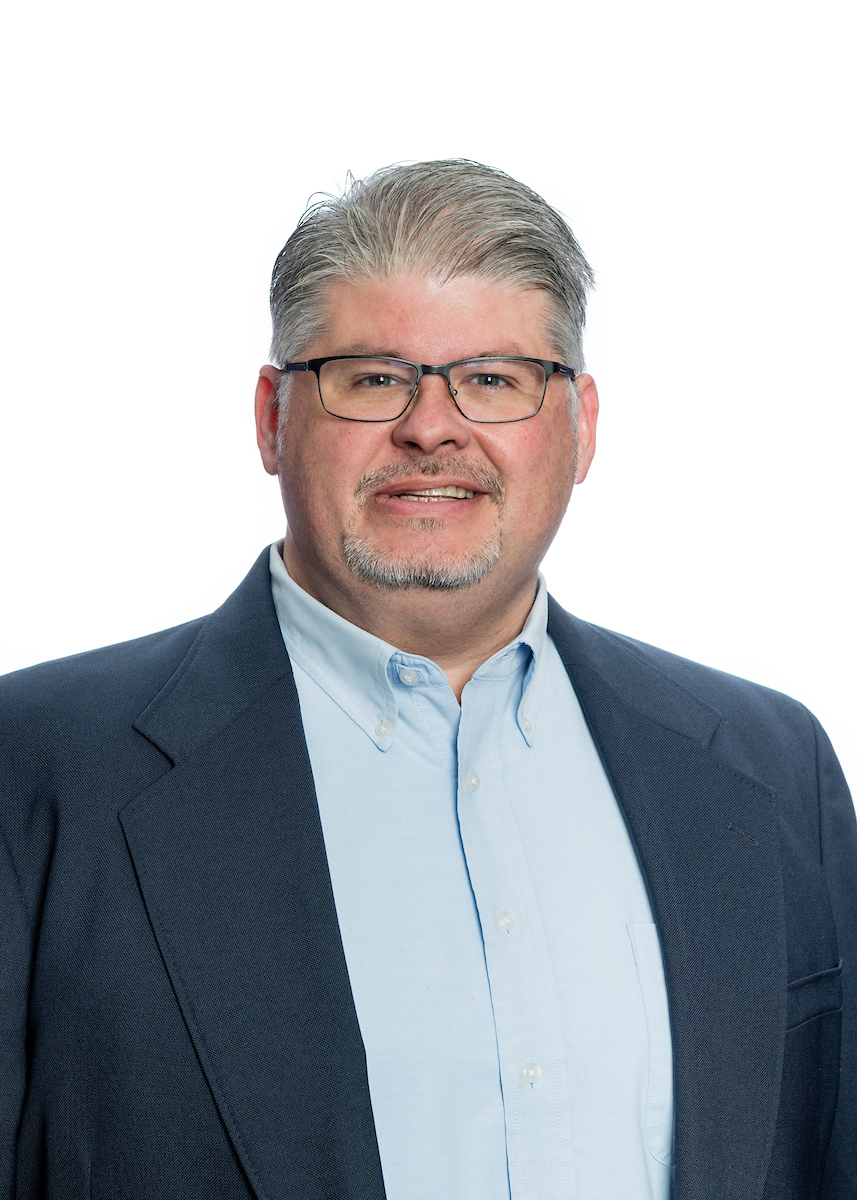
Chester Goad
Chester Goad, director of Accessible Education at Tennessee Tech University, has been
named the president-elect for the National Association on Higher Education and Disability.
He plans to take advantage of his time in office to shape the resources of AHEAD to
better serve its members and to continue to champion access and inclusion for students
with disabilities.
AHEAD is the leading professional membership association for individuals committed
to equity for persons with disabilities in higher education. It delivers professional
development opportunities and informs members of emerging issues relevant to disability
and higher education in the legislative and regulatory spheres, disseminates data,
promotes research and furthers evidence-based practice.
“All of that is important to our mission of providing academic access to disabled
students,” Goad said.
AHEAD passed the 5,000 member mark last year with membership in all 50 states and
in 10 countries around the globe. Goad first became involved with TNAHEAD, the Tennessee
affiliate organization, in 2006 and joined the national AHEAD in 2008.
“I really enjoyed growing and maturing as a professional in our Tennessee affiliate,
so I jumped in and served on the board and became president of the Tennessee organization
first,” Goad said. “It was then I realized through attending the national events that
I could grow even more and connect with professionals across the country, and I began
to really make connections between what we do on the day to day, and best practice.”
Goad was elected last spring as president-elect for a five-year commitment. He will
be president-elect for two years, then serve as president for two years, with a final
year as immediate past president in an advisory role on the board.
Goad served in the past as a national board member and considered it a tremendous
learning experience. He states that serving as president of a national organization,
“will be even more of an honor.”
“Just the opportunity to serve alongside disability experts from around the country
is phenomenal, but that recognition will also mean a lot for our university as well,”
Goad said. “I’m proud to have made an impression in the highest level of my field.
I’ve learned a ton through professional service.”
During his time as president Goad plans to continue to “be supportive of the mission
and provide meaningful excellent professional development to members that supports
and informs them in Best Practice in our field.” AHEAD as an organization provides
oversight and support to the National Center for College Students with Disabilities
and also disseminates information through its professional journal, the Journal of
Postsecondary Education and Disability.
“One of my goals will be to better make the connection for our members with research
and publications and how they can use both to better inform and advance their respective
offices and support their campuses and students better,” Goad said. “Another of my
goals is to always gauge the interests and opinions of the membership and shape our
resources to better serve them.”
AHEAD’s board of directors is charged with carrying out the organization’s mission,
policy formation, execution of fiduciary responsibilities, open communication and
maintenance and growth of membership. The executive committee officers are responsible
for providing leadership in their respective roles and for the annual evaluation of
the Chief Staff Officer.
Goad is a true believer in learning as much as possible about best practice and standards
and plans to use that knowledge back on campus. Tech’s AEC office has grown tremendously
in the number of students served since 2009, and the students continue to grow in
number, according to Goad. An average of 600 students are registered with the AEC
per semester. The number of partnerships and collaborations across campus has also
grown.
“I believe our campus is stronger when we can fully realize the contributions and
potential of all of our students and we cannot do that if there are barriers in the
way of that,” Goad said. “I also believe strongly that disability is a form of diversity
that is often overlooked in general, and I am a believer in supporting any underrepresented
group, and making sure everyone has a level playing field.”
One of the most important things the AEC does on campus is helping to remove barriers,
according to Goad. The AEC office supports students, and when they come to the AEC
with an identified barrier, the office works to assist in removing the barrier. Most
of the time that is through facilitating conversations with students and faculty members,
who the AEC recognizes as the content experts.
“Ultimately, we ensure that qualifying students receive reasonable accommodations,”
Goad said. “At the same time, we also work proactively to improve campus and provide
resources that will assist in making campus more readily accessible, inclusive and
welcoming.”
Goad said the AEC views its job as also protecting the university and all its stakeholders.
That includes students, but it also includes faculty and staff. The AEC does this
by ensuring access, removing barriers and helping them navigate the accommodation
process.
“I am thankful for a campus that supports professional development and leadership
growth. Vice President Dr. Polk-Johnson has been incredibly supportive to our Student
Affairs Division in encouraging us all to grow in leadership and best practice,” Goad
said. “She truly embraces and supports us becoming the best in our field.
“The entire office of the Vice President of Business and Finance, and specifically
Dr. Stinson, also intentionally work to ensure we have the resources we need to remove
barriers and become a more inclusive campus for persons with disabilities,” Goad said.
“We appreciate Dr. Oldham’s leadership and efforts to put people over process campus
wide. As an office, this is our goal daily,” Goad said. “The Accessible Education
Center is thankful to have executive leadership who are committed to that.”