

Panel at Tennessee Tech aims to shed light on the often invisible challenges of OCD/ADHD
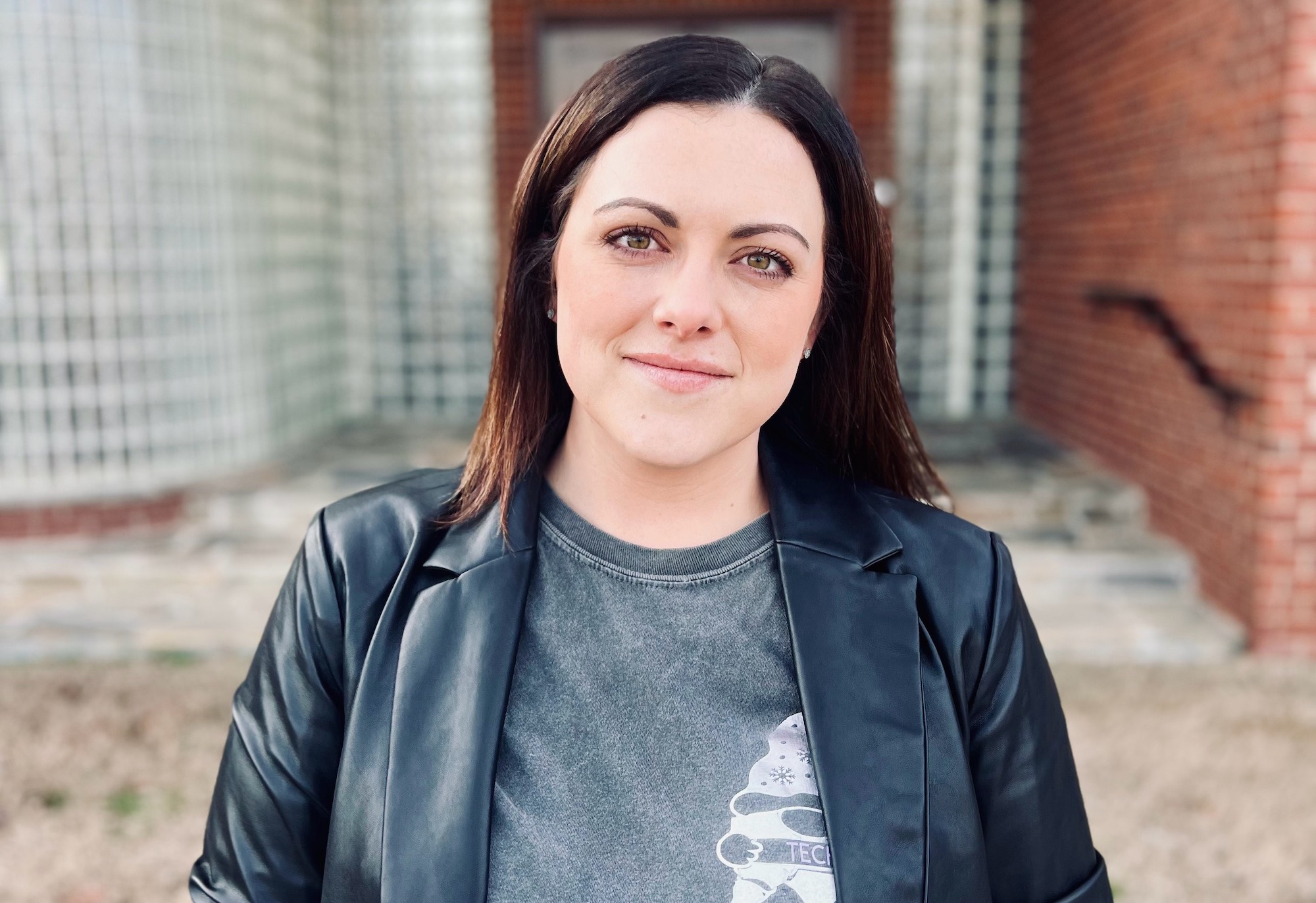
The April 8 panel event is organized by Tech instructor Kinsey Simone, who was diagnosed
with OCD as a child.
Tennessee Tech University will host a free panel discussion entitled “Mad Topics:
Obsessive Compulsive Disorder (OCD) & Attention Deficit Hyperactivity Disorder (ADHD)
in Education” at 6 p.m. Monday, April 8, both in-person and online. Topics will cover
what OCD and ADHD look like both generally and within the classroom, supporting those
with invisible disorders and locating resources for support, and the lived experiences
of adults with OCD/ADHD.
“We can learn more about and become more aware of these disorders, as well as the
symptoms and debilitating effects associated with these disorders,” said Kinsey Simone,
Ph.D., instructor of educational research methods at Tech. “Through this increased
awareness, we can better support those living with OCD/ADHD, even if it is simply
through stopping negative stigmas in their tracks.”
Simone knows about those negative stigmas firsthand. She was diagnosed with OCD as
a child, and though she was supported at home, she felt she had to hide her struggles
when she was in school or out in public.
“I was taught by a therapist to shut my OCD in a door and treat it as ‘bad’,” she
said. “It was not until I was earning my master’s degree that a professor’s kindness
encouraged me to advocate for those with OCD and to reclaim my disorder as a part
of my identity rather than as an enemy.”
She has also run into many people who have a misunderstanding of the disorder.
“I cannot count how many times I have shared with someone that I have OCD and they
have responded, 'Oh, I like to organize things too!’ It can be tiring to see my disorder
treated as a personality quirk or a condition,” Simone said. “For example, many people
do not know that the main characteristics of OCD are constant, intrusive thoughts;
because of these, over 2/3 of people with OCD have seriously considered or attempted
suicide or self-harm. I have learned to thrive with OCD and see my disorder as a part
of my identity and who I am, however, I still have had to overcome challenges associated
with my disorder and claiming it as a quirk can minimize those challenges. I have
heard very similar shared stories from friends with ADHD.”
One research project Simone conducted around stigmas toward OCD in future teachers
showed that 86 percent of pre-service teachers did not believe OCD was even a real
disorder, and many believed it was simply a condition or personality quirk. This knowledge
and her personal experience of living with the disorder and the stigmas attached lit
a fire in Simone to do her part to change things so that those with OCD would not
feel like they needed to hide it or apologize for it.
“And of course, this does not just regard OCD,” she said. “I hope that there is a
world in the near future where all persons with mental disorders or disabilities can
feel like they are not alone or bad, and that they are indeed completely who and where
they need to be.”
The idea for the discussion panel came both from her research and from her role as
faculty advisor for IMPACT TTU, a student organization stemming from the nonprofit
IMPACT Cookeville, whose mission is to positively impact those who are socially marginalized.
The event will be hosted by this student organization and sponsored by Tech’s Student
Government Association.
“The event is named ‘Mad Topics’ because the topics related will be within the Mad
Studies field, or research which examines the lived experiences of people who would
have in the past been known as ‘mad,’ such as those with mental disorders or disabilities,”
Simone explained.
Joining her on the April 8th panel will be fellow Tech faculty: Edward Beason, Ph.D.,
assistant director for the Accessible Education Center; Amy Callender, Ph.D., assistant
professor of special education; and Leann Taylor, Ph.D., senior lecturer of instructional
leadership; along with special guest David Culkin, Ph.D., an educational administrator
at the Army University in Kansas and a lecturer at Kansas State University. Moderating
will be McClane Oakley, a Tech counseling and psychology graduate student and president
of IMPACT TTU; the panel blossomed from Oakley’s idea to hold a mental awareness event
through the club on the first official day of spring classes.
“I believe that through hosting an event on OCD/ADHD in education, we can raise awareness,
decrease stigmas and increase empathy,” Simone said. “We do not know what we do not
know. It’s time to change the narrative.”
The panel discussion is free and open to the public. It will be held in the auditorium
in Bell Hall, room 282. RSVPs should be made by Friday, April 5 by filling out the
form either for in-person attendance or live-stream attendance. Any in-person attendees who need specific accessibility accommodations can contact
Simone at ksimone@tntech.edu.
“I would like to say to anyone who is living with OCD or ADHD or a different disorder
or diagnosis, you are amazing and important,” Simone said. “Just because disorders
like OCD and ADHD may be ‘invisible’ does not mean that the challenges you have overcome
and the successes you have faced in your journey are invisible. I cannot wait to meet
you.”