
Tennessee Tech engineering students take study abroad experience to two continents
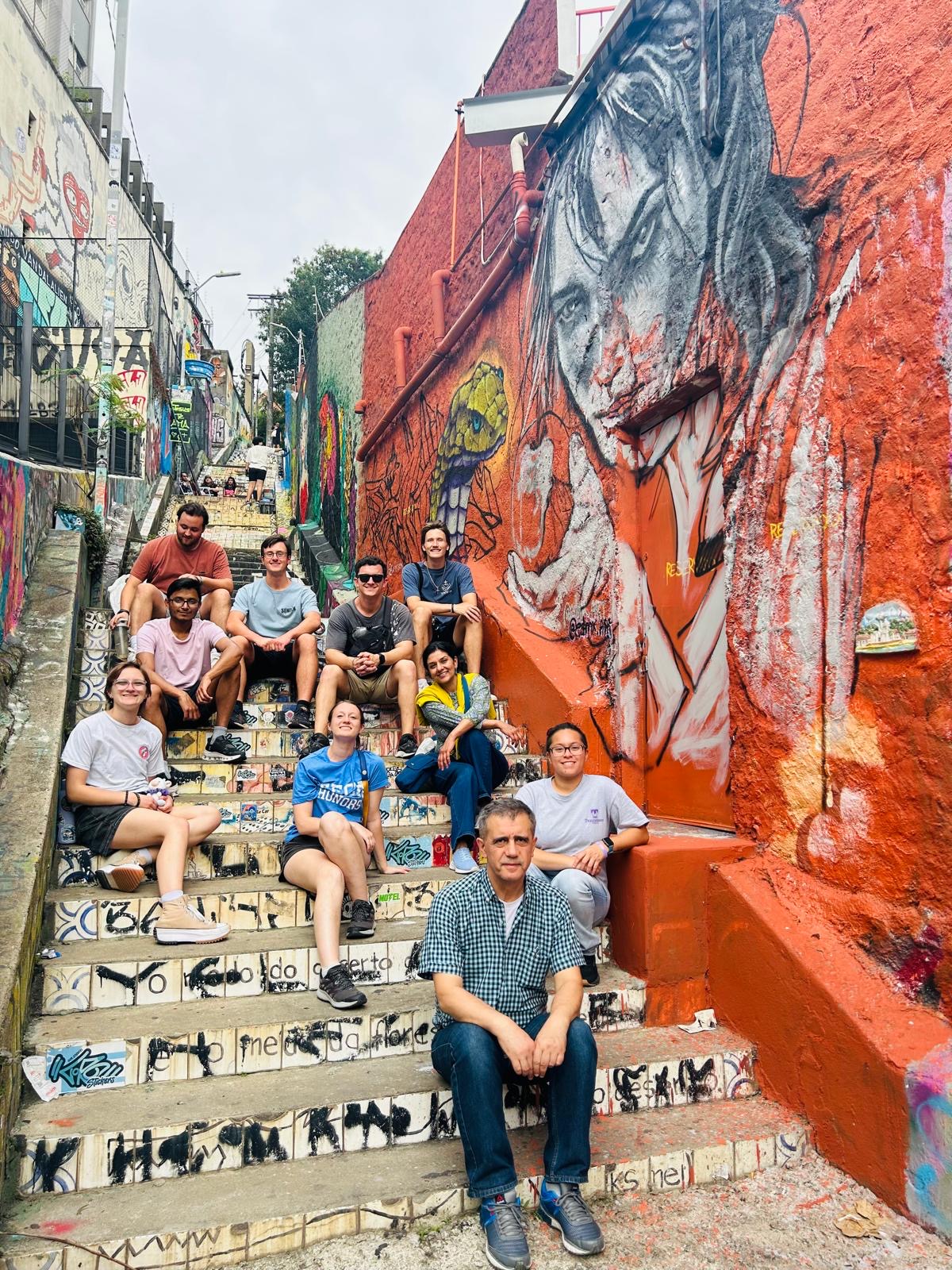
A group of Tennessee Tech University engineering students recently took their learning global, traveling to Brazil for a hands-on study abroad experience and later sharing their work on an international stage at the Grand Challenges Scholars Program (GCSP) conference in Rome.
During the 10-day trip to Brazil, students applied their technical knowledge to real-world sustainability challenges while collaborating with international peers. The experience was part of Tech’s participation in GCSP, an initiative designed to prepare engineering students to address some of the world’s most complex problems.
“A well-prepared study abroad program could be the solution to attaining all GCSP competencies,” said Ismail Fidan, professor of manufacturing and engineering technology and director of Tech’s GCSP program. “Our Brazil program was a great example of it. Students were able to learn, practice and attain almost all of these competencies through the experience.”
Founded in 2009, GCSP was created in response to the National Academy of Engineering’s 14 Grand Challenges — a set of global issues ranging from sustainability and energy to health and security.
Since its launch, the program has grown to include more than 100 engineering schools worldwide, preparing the next generation of engineers through multidisciplinary learning, entrepreneurship, global awareness and service.
Through support and scholarships from the College of Engineering, Tech students were able to participate in the Brazil program for less than $1,000, which included a three-credit-hour course in entrepreneurial engineering management.
In Brazil, Tech students worked in mixed teams with students from Instituto Mauá de Tecnologia to develop business ideas based on byproducts from cashew nut production. The challenge was proposed by Amigos do Bem, a nonprofit organization supporting communities in northeastern Brazil.
Teams were tasked with identifying ways to reduce waste from cashew processing while creating products that could generate economic opportunities for local communities.
Computer science and mathematics double major Camden Walker of Brentwood said the project pushed students to think creatively about sustainability.
“The cashew nut grows covered with an oil that burns and isn’t good to eat, so it can be difficult to dispose of,” Walker said. “Our proposal was to use that oil as a natural pesticide. The company could produce and use it themselves as part of a transition toward organic products.”
Another team explored ways to transform the cashew fruit — often discarded during nut production — into a nutritional supplement designed to provide natural energy and health benefits.
“We were asked to figure out what we could do with the cashew and how we could turn it into something useful for the community,” said Kaylee Easter, a manufacturing and engineering technology major from Clarksville. “We found that the fruit has a lot of health benefits, so our idea was to create a vitamin supplement based on it.”
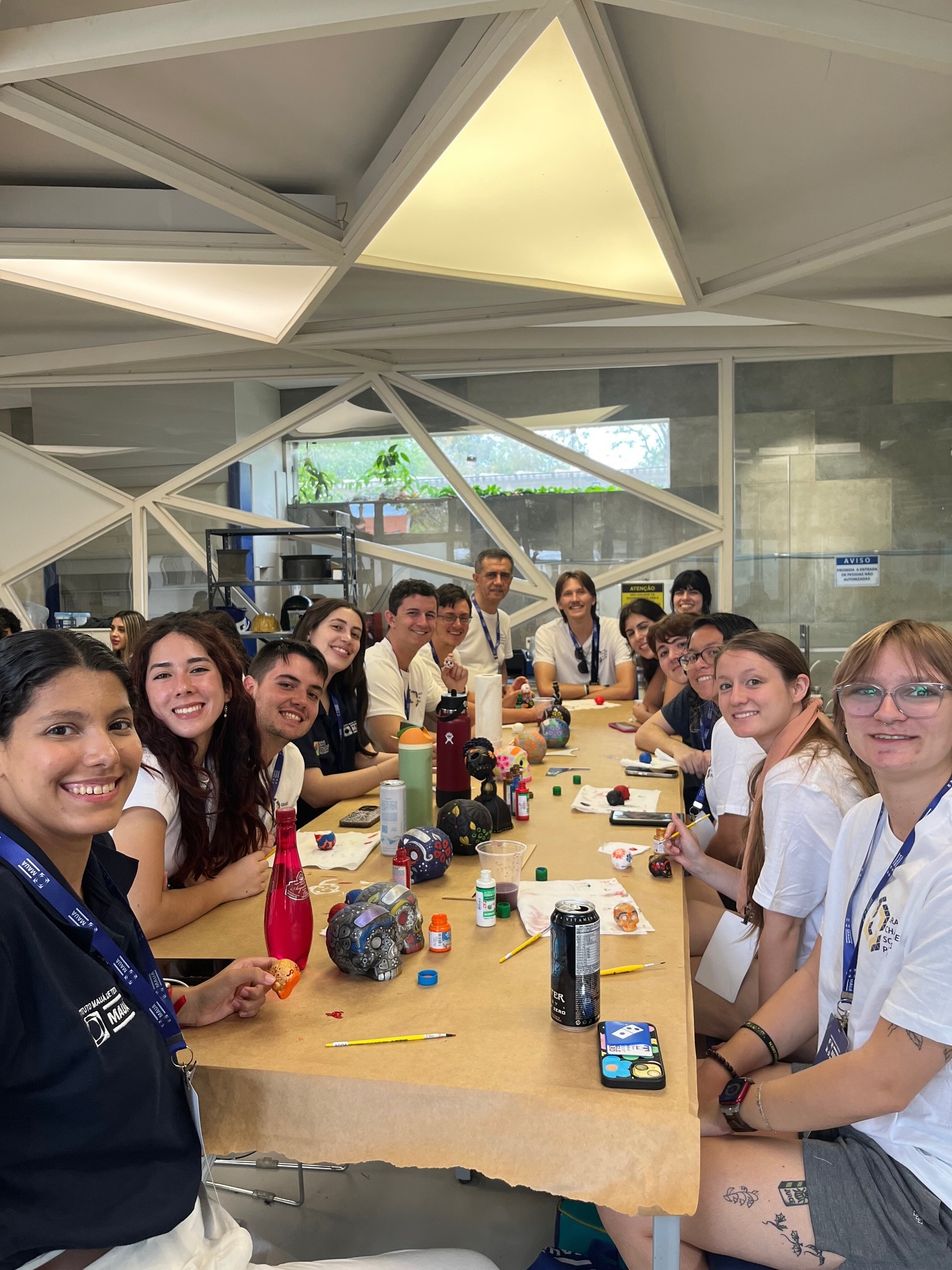
The experience also gave students the opportunity to present their ideas to professionals and community partners, creating what they described as a “mini-Shark Tank” environment.
“It taught me how to properly organize ideas and present them to a professional audience,” said Abhi Patel, a manufacturing and engineering technology major from Gallatin. “We had to research what already existed and figure out how our idea could realistically work.”
Beyond project work, the program included visits to innovation centers and organizations supporting entrepreneurship, along with cultural activities designed to help students better understand life in Brazil. Working alongside Brazilian students also helped bridge cultural and language differences while strengthening collaboration.
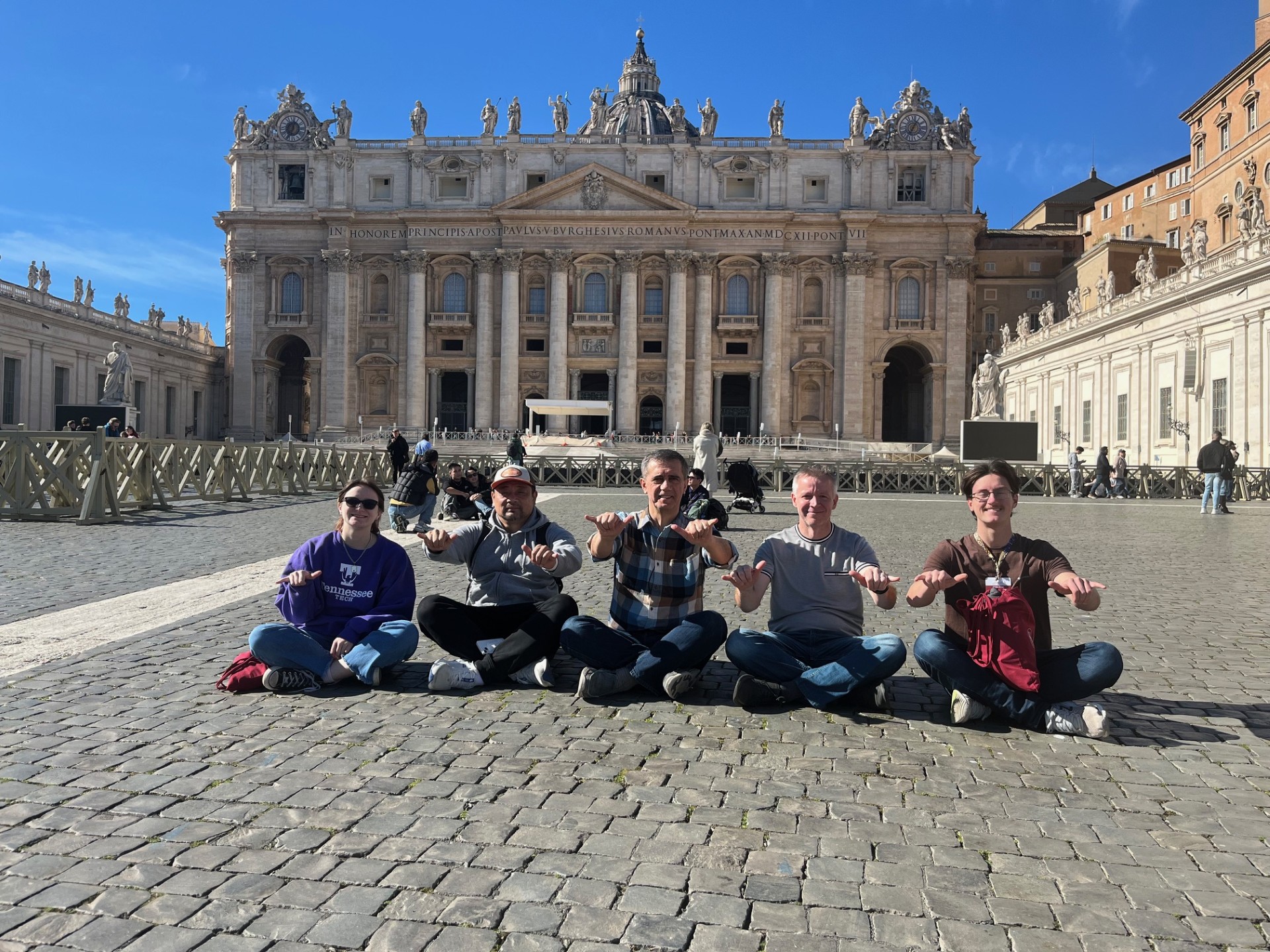
Students later carried those experiences to the 2026 GCSP conference in Rome, where they joined peers from around the world to discuss engineering solutions related to sustainability, energy and climate challenges.
Walker said the international experiences marked his first time traveling outside the United States.
“For me, it was really cool to see both the city and countryside,” he said. “I wasn’t expecting how many similarities there would be between our cultures.”
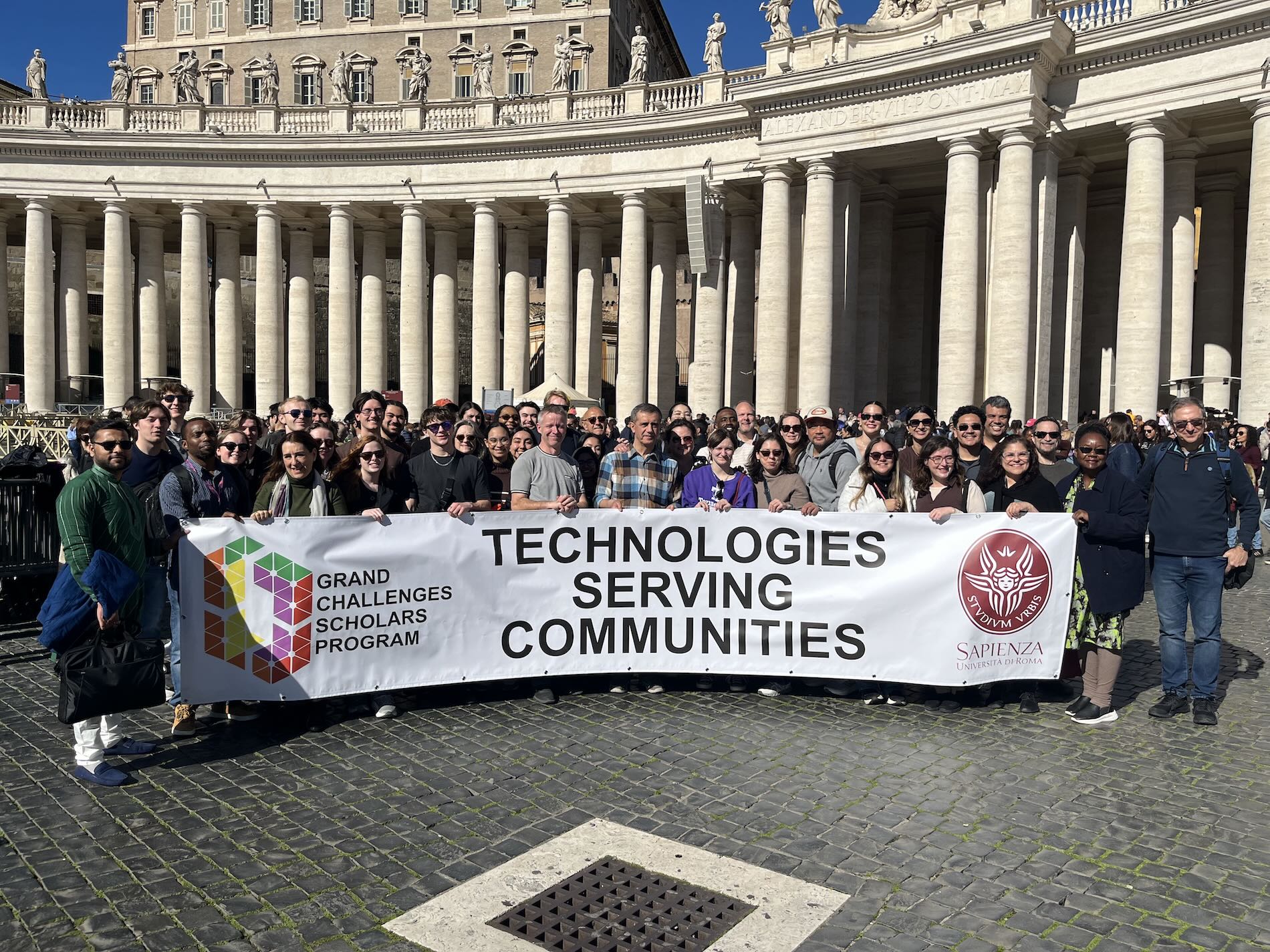
According to Fidan, participating in both the Brazil program and the Rome conference helped students see engineering through a broader global lens.
“They realized engineering is not just about solving equations or building systems,” he said. “It’s about designing solutions that work within cultural, economic and environmental contexts.”
For the students who participated, the experience reinforced the value of stepping beyond the classroom.
“There’s so much about the world you can’t know if you stay in one place,” Walker said. “I didn’t realize how important it would be to study abroad until I actually went.”