

Tennessee Tech honors colloquium explores global connections through food and culture
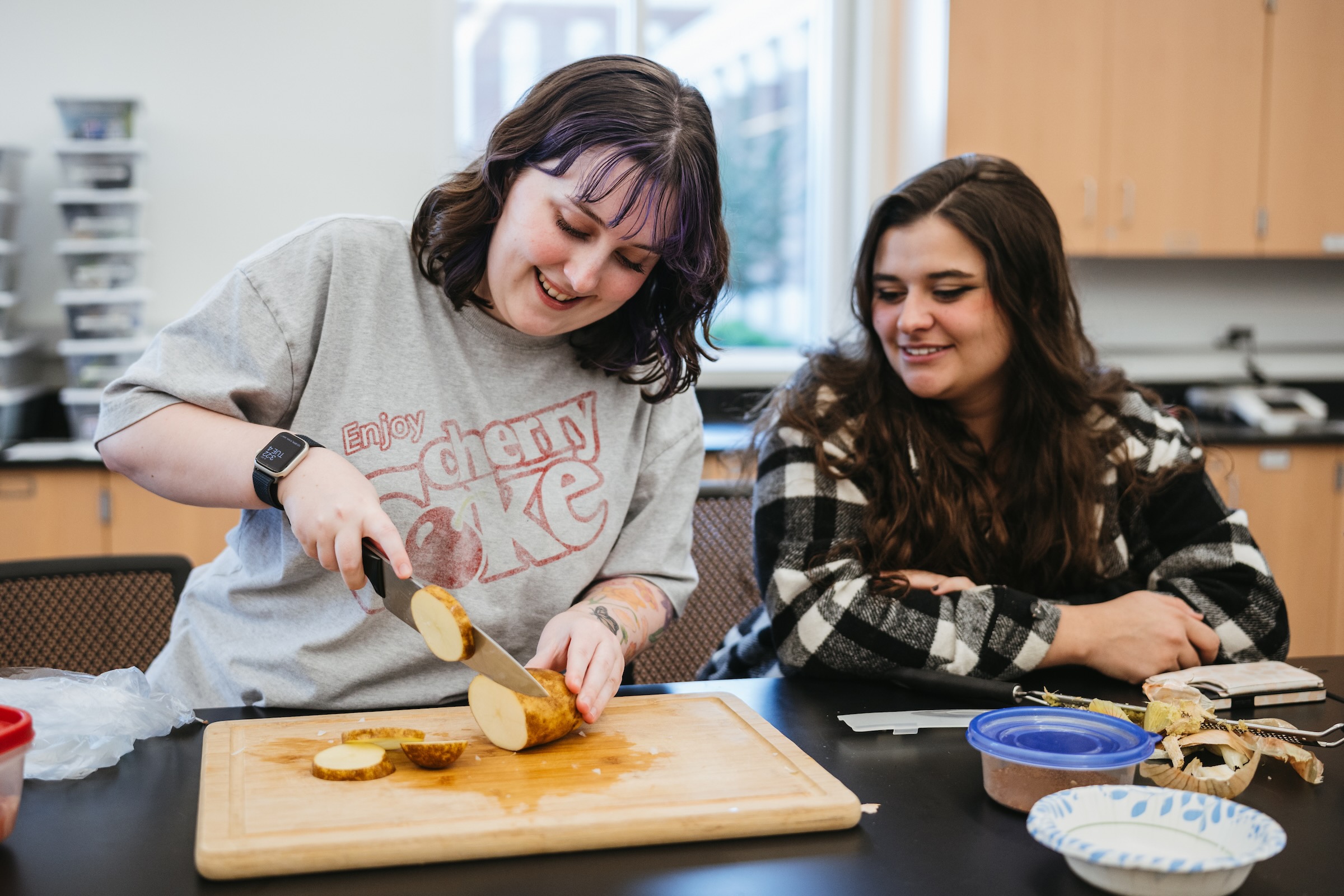
Tennessee Tech University students recently journeyed across continents—without leaving campus—through a new honors colloquium examining how spices, trade and cultural encounters have shaped cuisines from the 16th century to today.
“Spice Routes: Story, Trade, and Taste Across Continents,” taught this fall by Jennifer Gray, associate professor of English, was offered through Tech Honors, the university’s honors program. The course enrolled 18 honors students who explored world literature, culinary diplomacy and the global movement of spices while learning to prepare dishes connected to their readings.
Gray, who wrote her dissertation on the connection between foods and cultures and authored the 2021 book Culinary Diplomacy’s Role in the Immigrant Experience, said the course allowed her to combine two lifelong passions: storytelling and cooking.
“I’ve been cooking since I was three,” Gray said. “I’ve always loved learning about other cultures and how people connect through food. When they approached me about designing an honors colloquium, I thought it was the perfect opportunity to read literature and cook from it—something I’ve always wanted to do with students.”
Gray said many students entered the course with limited kitchen experience, but they quickly embraced new ingredients and unfamiliar techniques.
“They were really not familiar with a lot of these spices,” Gray said. “We learned about the historic origins of dishes, how people met along the spice route and how similar foods in different cultures emerged from those encounters. By the end, they wanted the recipes and were eager to try the spices again.”
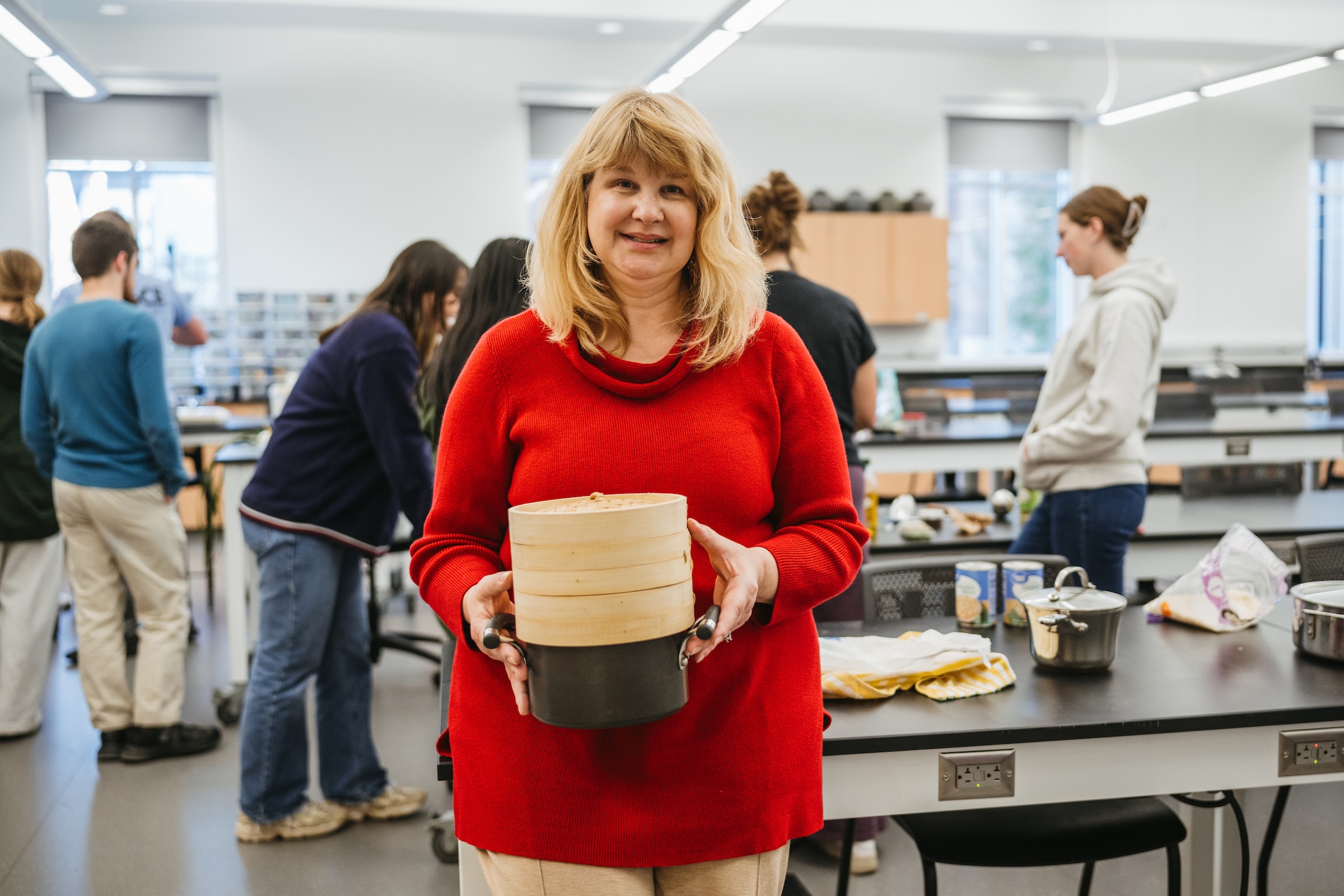
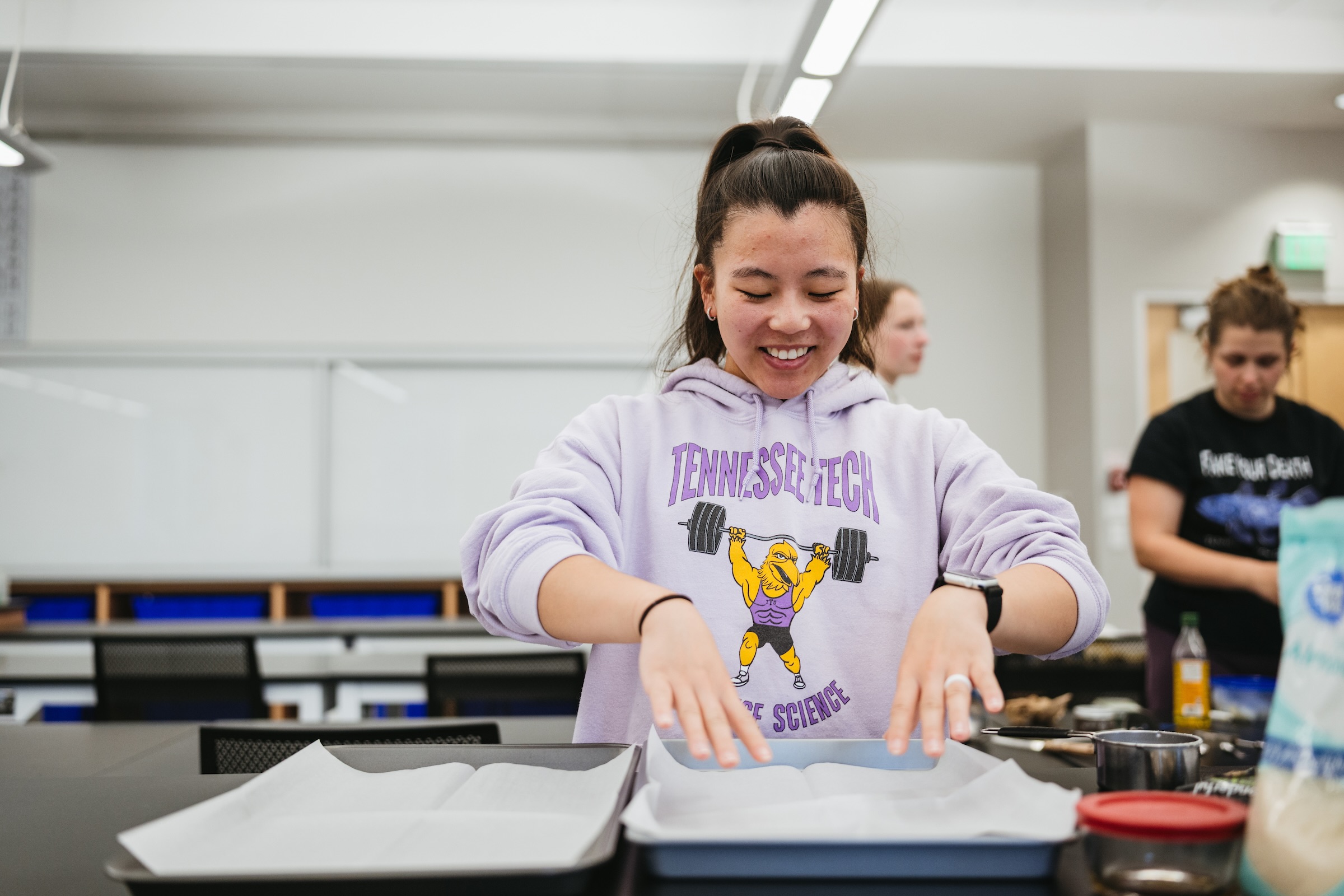
Students practiced cooking every other class session, preparing dishes such as pupusas, empanadas and Filipino lumpia while examining how trade shaped regional flavors. One graduating senior, Gray noted, named the course among his top three in college.
The course required significant collaboration across campus. Tech’s Chemistry Department provided access to a food-safe lab, while additional support came from the College of Arts and Sciences, the Gretta Stanger Center and other university partners.
“Everybody has been so positive,” Gray said. “So many people wanted this for the students, and that was really wonderful.”
For Lindsey Roberts, director of Tech Honors, the course exemplified the creativity and innovation the program encourages.
“When I learned about Dr. Gray’s research on literature and cuisine in fostering cultural understanding, I reached out immediately,” Roberts said. “She proposed the course concept within a week. It was a whirlwind experience in how it came together so quickly.”
Roberts also praised the teamwork that made the class—and its culminating campus event—possible.
“This colloquium naturally had logistical challenges,” she said. “We needed a kitchen space and funding for ingredients. Dining Services was so gracious. They offered to supply every last ingredient for the course, which then enabled the dean's office in the College of Arts and Sciences to donate other funds to the Michelle Huddleston Food Pantry. I was floored and grateful.”
The semester concluded with an international cuisine pop-up in The Caf, Tech’s main dining hall, where students served Ethiopian chicken stew, roasted carrot hummus and other dishes to the campus community.
“Students were surprisingly game to try them,” Gray said. “A lot of them came back for seconds.”
Dining services staff said the collaboration offered valuable real-world experience.
“It was an amazing process from start to finish,” said Dirk Anderson, director of dining services. “The students showed great professionalism, and they loved seeing their dishes featured in The Caf.”
Audrey Patterson, executive chef for dining services, agreed.
“Dr. Gray’s expertise was evident, and her students were eager to demonstrate their abilities,” Patterson said. “Despite their limited culinary background, they more than made up for it with their willingness to follow instructions and their enthusiasm. Once I provided guidance, they required minimal oversight.”
Roberts said Tech Honors plans to continue offering inventive, hands-on learning experiences.
“With the honors colloquia, we welcome creativity and experimentation,” she said. “That’s what Honors is about—using the classroom as a testbed for innovation.”
Next semester, Tech Honors will offer an Asian American culture and history colloquium taught by Troy Smith, professor of history. As for Gray, she plans to get students cooking again for a separate spring course titled “Feast and Fiction: Food, Culture, and Society in Modern British Literature.”
Learn more about Tech Honors at www.tntech.edu/honors.