

Tennessee Tech to become first public university in state to offer master's in child life
Tennessee Tech University is poised to become the only public university in Tennessee offering a Master of Science in Child Life.
Recently approved by Tech’s Board of Trustees, the master’s program will help meet rising demand for specialists trained to support the emotional, developmental and psychosocial needs of children and families facing serious medical or traumatic experiences.
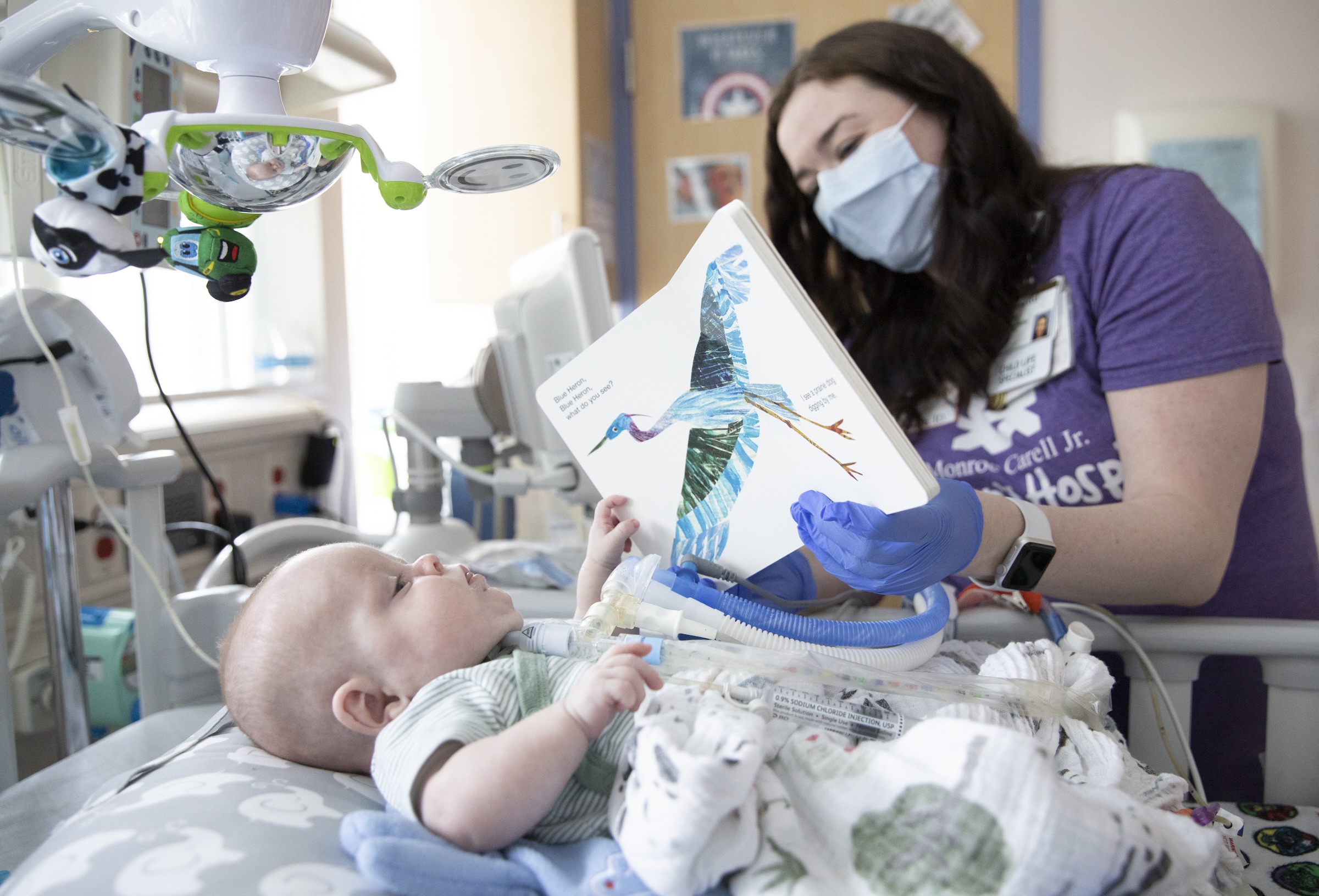
For professionals like Katy Hoskins, who graduated from Tech in 2015 with a bachelor’s in child life and is a certified specialist at Monroe Carell Jr. Children’s Hospital at Vanderbilt, the need for advanced education in the field has never been greater.
“Now more than ever, we need well-educated and informed, developmentally focused providers of healthcare. Child life specialists have the opportunity to be that person for families – and to champion that perspective to others on the care team,” she said.
Hoskins said her own path into the profession began with a leap of faith as a college junior.
“My story is unique,” she said. “I was attending a liberal arts college in East Tennessee, and I knew I wanted to work in child life. There wasn’t a whole lot of structured support there for that career path, so when I found out that Tech had started a child life program, I left my friends and activities behind – I just knew that’s what I wanted to do.”
Once she transferred, Hoskins said she found an academic home at Tech. The undergraduate child life concentration, housed within the School of Human Ecology, remains the only bachelor’s-level program of its kind in Tennessee.
She said the curriculum gave her a strong foundation: developmentally focused coursework paired with medically broad instruction that prepared students for the child life certification exam.
“The coursework focused exactly on the knowledge you would want a child life specialist to have,” Hoskins said. “Tech offered electives like death and dying and other nursing courses with content important to a child life career. The program kept evolving to meet those needs, and the faculty and staff were top-notch.”
Since graduating in 2015, Hoskins has built her career across positions at several hospitals, but being back at Vanderbilt – where she volunteered as a teen – feels like coming home, she said. In her role there, Hoskins serves some of the hospital’s most vulnerable patients, including premature infants, children facing trauma or chronic health conditions and siblings in need of psychological support.

One of the most impactful events that continues to shape the profession, she said, is the COVID-19 pandemic.
“COVID changed everything,” Hoskins said.
In many healthcare-related programs of study, including child life, the pandemic inspired a greater emphasis on research.
“An education with an even greater emphasis on research is something that I would personally benefit from – and that’s another reason I would absolutely consider and recommend the child life master’s at Tech,” Hoskins said.
Tech leaders say the proposed master’s program responds directly to feedback from hospitals across the region, including Vanderbilt’s Monroe Carell Jr. Children’s Hospital as well as St. Jude Children’s Research Hospital and East Tennessee Children’s Hospital. Those institutions report continued competition for qualified child life candidates and an ongoing need for professionals who are ready to step into complex pediatric care environments.
Hoskins said Tech’s name already carries a positive reputation among employers.
“We always see competitive candidates for jobs and internships. If Tennessee Tech is on a resume, that candidate is definitely going to get a second look,” she said.
Child life specialists serve as a crucial link between medical teams and families, offering preparation, coping strategies, therapeutic play and emotional support during procedures, hospitalizations and crises. It requires professionals who can navigate delicate conversations while advocating for the development and psychosocial needs of children.
Hoskins describes the work as “tough but incredibly rewarding.”
“We were an essential member of the pediatric care team during the pandemic,” she said.
Tech’s new master’s degree will allow graduates like Hoskins – and the next generation of child life specialists – to deepen their training while helping strengthen pediatric care across the region.