

Tennessee Tech human ecology partnership introduces interior design students to Habitat for Humanity ReStore
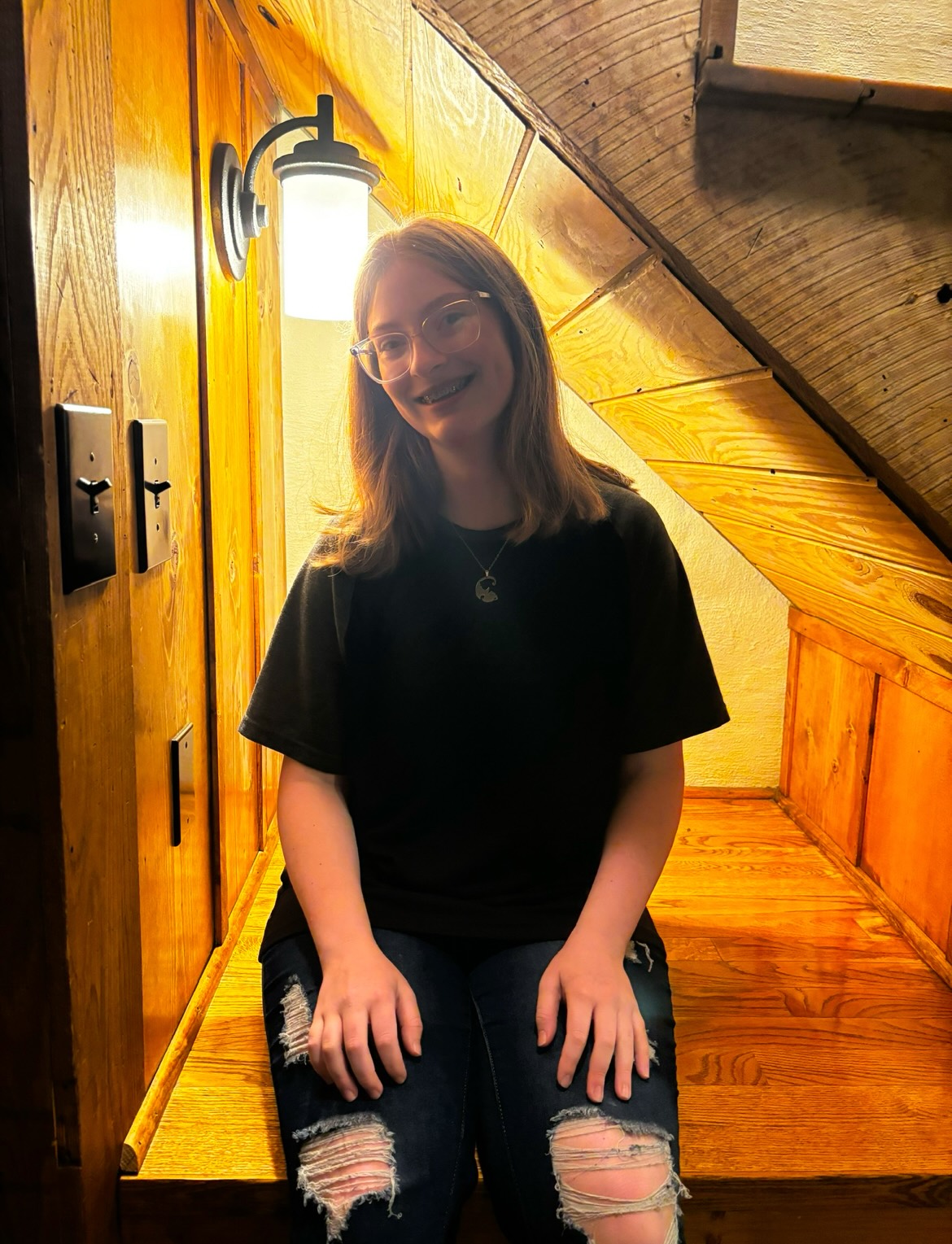
For Tennessee Tech University student Lilly Waggoner, designing a room this summer
started not with a blank canvas or a catalog of furnishings, but with whatever furniture
had been donated.
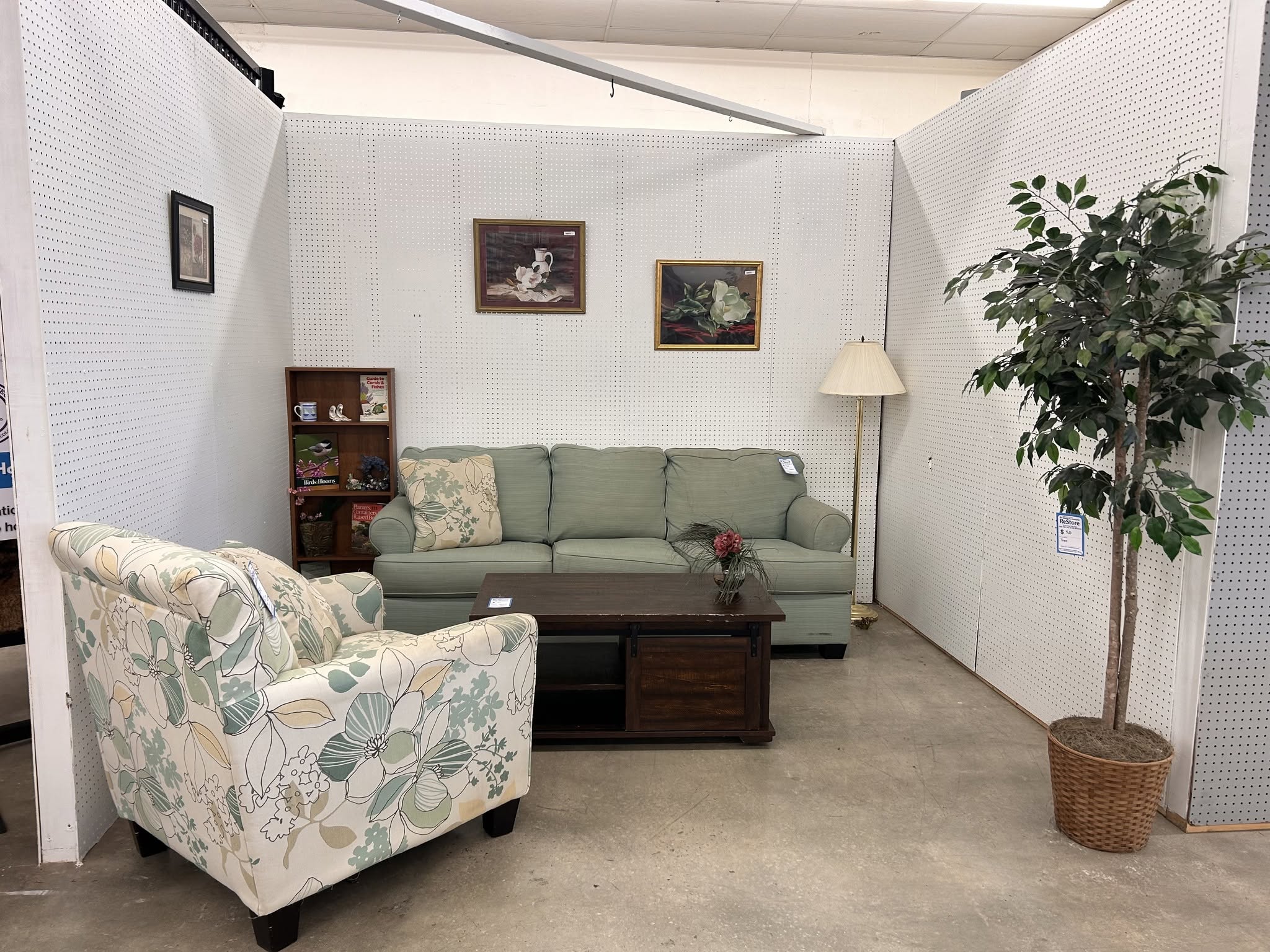
Week after week, Waggoner transformed secondhand furniture and home décor at the Upper Cumberland Habitat for Humanity ReStore into inviting room displays, putting lessons from her human ecology studies into practice while helping shoppers envision new possibilities for donated items.
“I really got to experience more of the application,” Waggoner said. “You may see two things that are the same color, but the styles don’t go together at all. Learning to apply those design principles I studied in my classes helped me grow.”
Waggoner, whose human ecology studies emphasize interior design, architecture and fashion, learned about the practicum opportunity through her adviser. Previous students had worked with the ReStore, and Waggoner was drawn both to the chance to practice design and to Habitat for Humanity’s mission.
Throughout the summer, she designed about 10 room displays, typically creating a new one each week. Unlike a classroom project, there was no carefully selected inventory waiting for her.
“It was me just going into it and doing it with the vision I had and the items that were available at the time,” she said.
Because every item had been donated, Waggoner learned to search the ReStore’s constantly changing inventory for pieces that could serve as inspiration and then build a cohesive room around them.
Two bedroom displays became favorites, including one she described as having a vintage Gothic theme.
“I really enjoyed the way that came together,” she said. “Looking through stuff, I just saw more and more that seemed perfect.”
Those projects often began with a single unusual item that caught her attention before the rest of the room gradually came together.
“I would sometimes find that things just went perfectly together,” she said. “That didn’t happen that often, because it was all furniture and furnishings that people donated. When I found things that did go together, it made the designing easy.”
The experience also highlighted a practical lesson in merchandising: showing customers how individual pieces could work together helped them imagine the items in their own homes.
Waggoner said the displays tended to sell quickly, making the project especially rewarding.
“It’s hard for many people to envision items grouped together,” she said. “Seeing other people enjoy what I created really made me happy.”
Customers sometimes stopped while she was still assembling displays to compliment her work.
“People would catch my attention while I was working and say, ‘This looks so good,’” she said. “It was so satisfying.”
Alyssa Stenson, ReStore manager, said the partnership benefits both Tech students and Habitat for Humanity.
“We have enjoyed partnering with Tennessee Tech students, and it has been fun seeing the excitement they have when they complete a room and are happy with the results,” Stenson said. “Partnering with Tech has increased awareness of our existence to Tech students, and we have seen an increase in sales to students moving into their first apartments or dorms.”
Those sales ultimately support Habitat for Humanity’s mission of helping families achieve homeownership.
“The more community awareness and support we have, the better it is for our partner families who are working to fulfill their dream of homeownership,” Stenson said. “We are grateful for the support of Tennessee Tech students, faculty, and staff!”
For Waggoner, the practicum reinforced the value of applying classroom concepts in real-world settings. This semester, she expects to continue that hands-on learning through a stage design project.
Looking ahead, Waggoner hopes to pursue a career in architecture, although she has not yet decided whether she prefers commercial or residential work.
For now, the ReStore experience allowed her to explore design while contributing to an organization whose work she values.
“I really love the program,” Waggoner said. “Just getting to help people in that way was rewarding.”