

Tennessee Tech receives NSF grant to prepare students for AI workforce
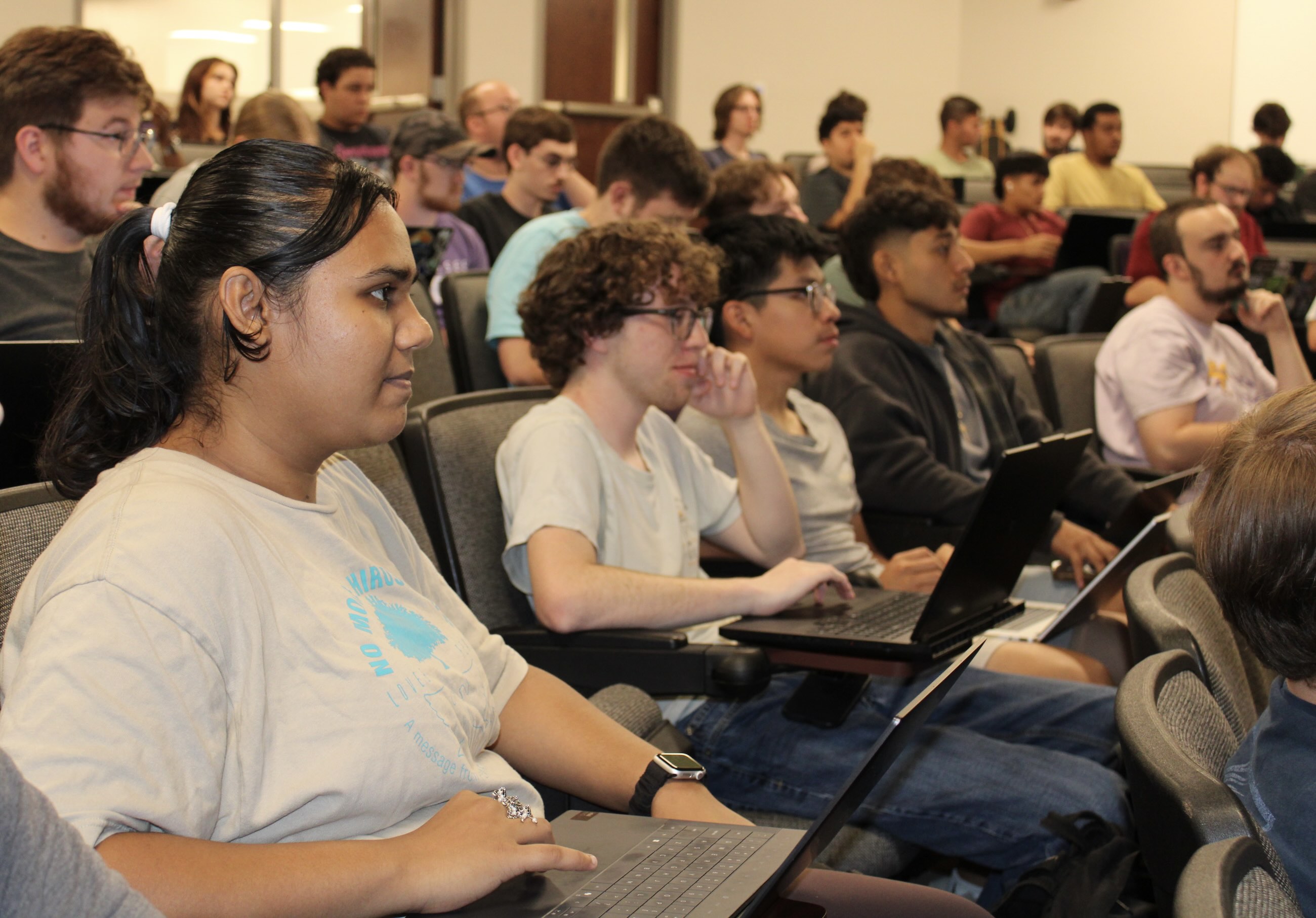
Artificial intelligence isn’t replacing the need for computer scientists, but it’s changing what they need to know — and Tennessee Tech University is preparing students for that changing workforce early in their college careers.
Department of Computer Science has received nearly $175,000 from the National Science Foundation as part of a multi-year, multi-institutional project that brings AI, big data and parallel and distributed computing concepts into foundational computer science courses. The project will also train instructors across the country to bring these technologies into their classrooms.
“Our team at Tennessee Tech is an important piece of this project because we are serving as one of the two development teams creating and testing the AI, big data and parallel and distributed computing materials in early core computer science courses,” said computer science senior lecturer April Crockett, who also serves as principal investigator for the NSF grant. “Then we will train about 200 current and future instructors from diverse institutions through hosting workshops and tutorials on using the new materials in their classes.”
Department of Computer Science Chair Gerald Gannod, Ph.D., and lecturer Travis Brummett serve as co-principal investigators at Tech. The project is led by Sushil Prasad, Ph.D., of the University of Texas at San Antonio and additionally includes Knox College, the University of Massachusetts, Louisiana State University and the University of Maryland.
Crockett said the project comes at a time when AI is rapidly reshaping the workforce and changing the skills employers seek. Rather than waiting until students reach advanced computer science courses, the project will introduce them to the technologies underlying modern AI earlier in their education.
Gannod added, “This grant represents a continuation of research we have been conducting to determine how to best transform computing education to address the changing needs of the technology workforce. Innovations in all sectors of industry have been happening in the intersection of those sectors and computing, AI, cybersecurity and high-performance computing. By introducing advances in AI, HPC and cybersecurity early in our programs, we help our students remain relevant for their future employers.”
Tech is expanding opportunities for students to prepare for that evolving workforce. In addition to its established computer science program, Tech welcomed its first AI majors this fall. Tech is the first institution in Tennessee to offer a baccalaureate-level degree focused on the theories, systems and development behind artificial intelligence.
The NSF project ultimately will be implemented across approximately 60 diverse institutions.
“The project will generate evidence-based models that can be widely adopted, transforming early computing education at scale,” Crockett said. “AI-enabled learning tools and pedagogy can modernize core curricula by enabling students to construct, explore and reason about modern computing systems earlier and in more depth than was previously possible.”