

Tennessee Tech, Twin Lakes help rural residents build digital confidence through Internet Better
For rural residents, having internet access is only part of staying connected. Knowing how to use it confidently and safely can open doors to health care, employment and community resources.
Tennessee Tech University’s Center for Rural Innovation and Twin Lakes are working to bridge that gap through Internet Better, a free digital literacy program that helps Upper Cumberland residents build practical skills for everyday life.
“Twin Lakes approached the Center for Rural Innovation because of our strong track record in rural community engagement, technology deployment, and history of collaboration,” said Michael Aikens, Tech’s associate vice president for research and economic development. “They had a vision for addressing digital literacy challenges in the communities they serve, and it was clear that our strengths complemented one another.”
The program offers online learning and an in-person option designed to reach people who may have limited internet access or feel uncomfortable using technology.
Stefanie Byrd, assistant director of rural resilience at the center, said the team examined which Upper Cumberland populations face particular challenges with digital literacy, including older adults and residents with limited access. Some rely entirely on smartphones, which can make tasks better suited to a computer more difficult.
The goal is to help participants become comfortable using the internet in ways that directly benefit them, whether connecting with community services, recognizing a potential scam or attending a telehealth appointment that saves travel time and expense.
Tech faculty developed nine learning modules covering topics such as basic digital skills, digital safety and security, and artificial intelligence. Written at an eighth-grade reading level, the material uses everyday language to make unfamiliar concepts more approachable.
The AI module introduces ways to interact with the technology while helping participants understand potential risks and become better-informed users.
Byrd said building confidence is especially important for people who routinely depend on someone else to complete online tasks. Although that assistance can be valuable, relying on another person to navigate digital services can also create vulnerabilities. Internet Better aims to give participants the skills and confidence to handle more of those tasks themselves.
“Twin Lakes brings deep relationships, trusted connectivity infrastructure, and a commitment to their customers, while the Center contributes expertise in digital skills training, community outreach, and program implementation,” Aikens said. “Together, we're helping ensure people can fully benefit from the internet access available to them.”
Twin Lakes CEO Jonathan West said providing broadband service is only part of the equation.
“Our goal is to ensure the people we serve can make the most of the opportunities that connection provides,” he continued. “Internet Better helps bridge that gap by giving individuals the knowledge and confidence to use technology safely and effectively in their everyday lives.
“We're proud to partner with Tennessee Tech on an initiative that aligns with our cooperative mission of improving quality of life and expanding opportunity throughout the Upper Cumberland,” West said.
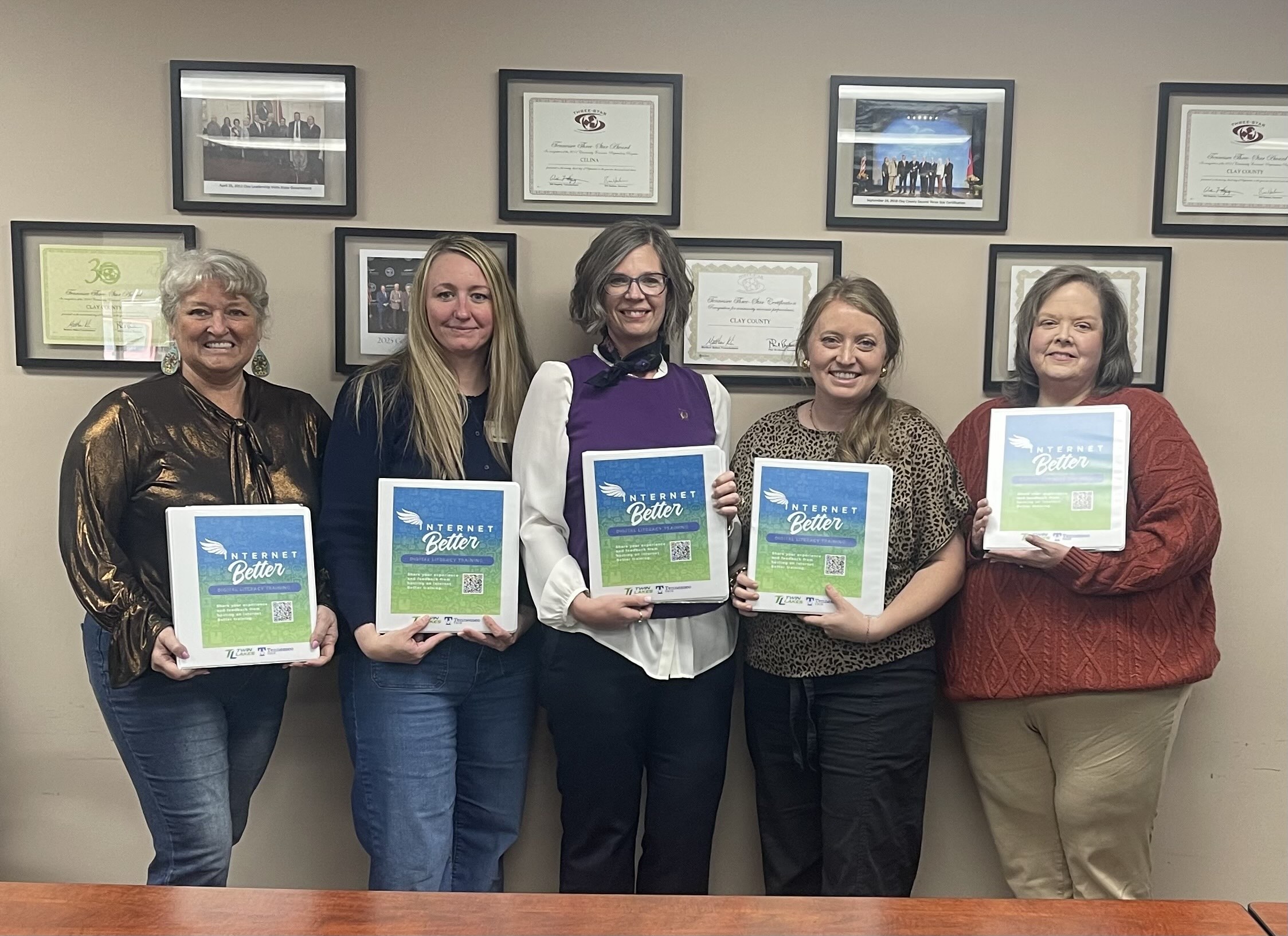
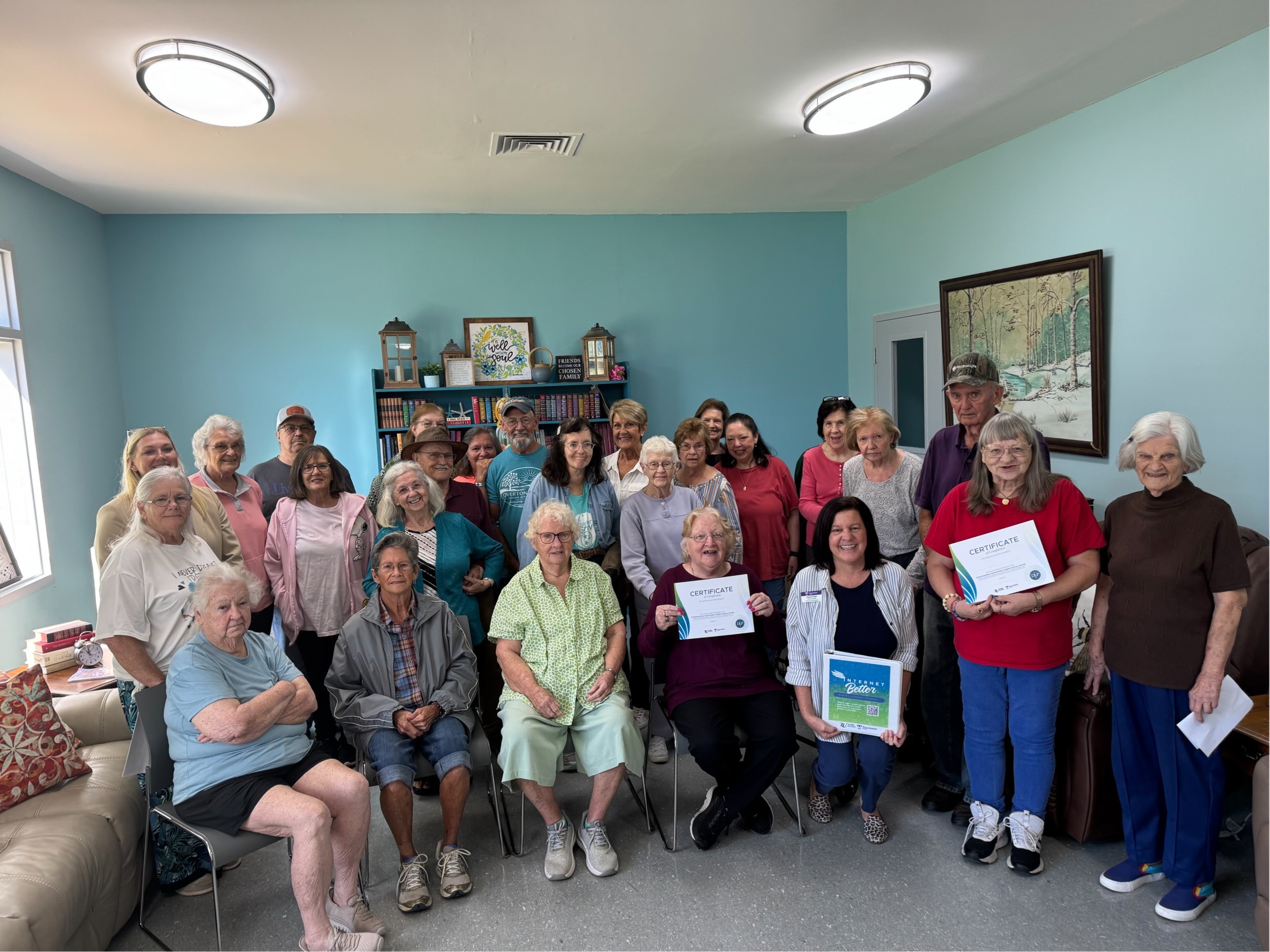
Participants can complete Internet Better online and earn a certificate of completion they can share with employers. They can also learn in person from certified facilitators, using a delivery format that does not require participants to have internet access during the sessions.
The approximately three-hour training brings digital education into familiar settings through people who already serve their communities. The program has certified 48 facilitators, drawing on community connections that include libraries, civic organizations, churches and agencies serving vulnerable populations.
Those relationships help reach residents who may be hesitant to begin learning on their own. Byrd said working with trusted community partners has been an important part of putting the program into practice. Learning from a familiar person can help participants ask questions, recognize the benefits of digital tools and gain confidence in their own abilities.
Personal stories also help make the lessons relatable. The modules feature a participant from Empower UC, a program supporting families as they move out of poverty, who shares examples of how she uses digital tools in her life.
Those experiences help show participants how the skills apply beyond the training itself, Byrd said. One person’s story can encourage someone else to try.
After laying the groundwork over the summer, the partners are focused on deployment across the Upper Cumberland. Interest beyond the region is also creating possibilities for growth.
“Our immediate focus is continuing deployment across communities throughout the Upper Cumberland and ensuring residents have access to the digital skills and support they need to thrive,” Aikens said. “At the same time, we're exploring opportunities to expand the model beyond our region.”
For Byrd, the program’s value lies in helping people take those first steps toward using technology with greater independence.
“The challenges Internet Better addresses aren't unique to one area, and we believe this approach has the potential to benefit rural communities across Tennessee and beyond,” Aikens said.
Internet Better is free for anyone to use. To access the online modules or indicate interest in in-person training, visit www.internetbettertraining.com.