

|
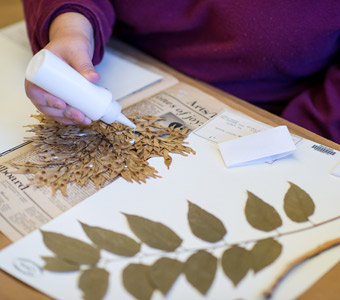
A room in Tennessee Tech University s biology building is crammed with 7- and 10-foot tall filing cabinets, each full of pressed plants. Though Tennessee Tech s Hollister Herbarium has been growing for decades, students and faculty are starting organize and catalog the thousands of specimens. In a recent weekend, a team of more than 40 students worked with assistant biology professor Shawn Krosnick to mount, label, barcode and repair the specimens, some of which have been waiting to be processed since the 1960s. The earliest-identified specimen in the collection is from 1904. What we re doing in terms of providing information about biodiversity is so important. This work appeals to me artistically and scientifically, said Krosnick. It s science but it s art as well. We need to display the specimens so you can see the upper and lower part of the plant but you also want it to look nice in the mounting. Krosnick has been at Tennessee Tech for three years. She hosts two working days each semester for student volunteers to come help organize the collection, which was founded by biology professor S.K. Ballal in 1965. In eight hours of work, the team can finish work on about 2,500 specimens. Her efforts help researchers and the National Science Foundation, which is supporting an effort to digitize smaller herbariums in the Southeast to make records more easily accessible. The project to digitize the Southeast Regional Network of Expertise and Collections, which includes the Tennessee Tech herbarium, will make more than 3 million specimens available to researchers from around the world. We are all working together across many, many states, she said. Once this stuff is available on the web, then you can search by genus, by family, by county or by date. As a relatively small collection with about 40,000 specimens, the Tennessee Tech herbarium includes rare and endangered species native to Tennessee and samples of unique specimens found around the Upper Cumberland. Students in the field botany class collect specimens to add to the collection and professional botanists also donate their material to the university. Each specimen is a snapshot in time of the distribution and appearance of the species. We re kind of like curators in the museum of plants, said student Katherine Reid. It s equivalent to books in a library, so 100 years from now people can come in and see where plants were distributed. It s really important. |