

Tennessee Tech professor speaks at inaugural Kurdish Studies Forum in Kurdistan
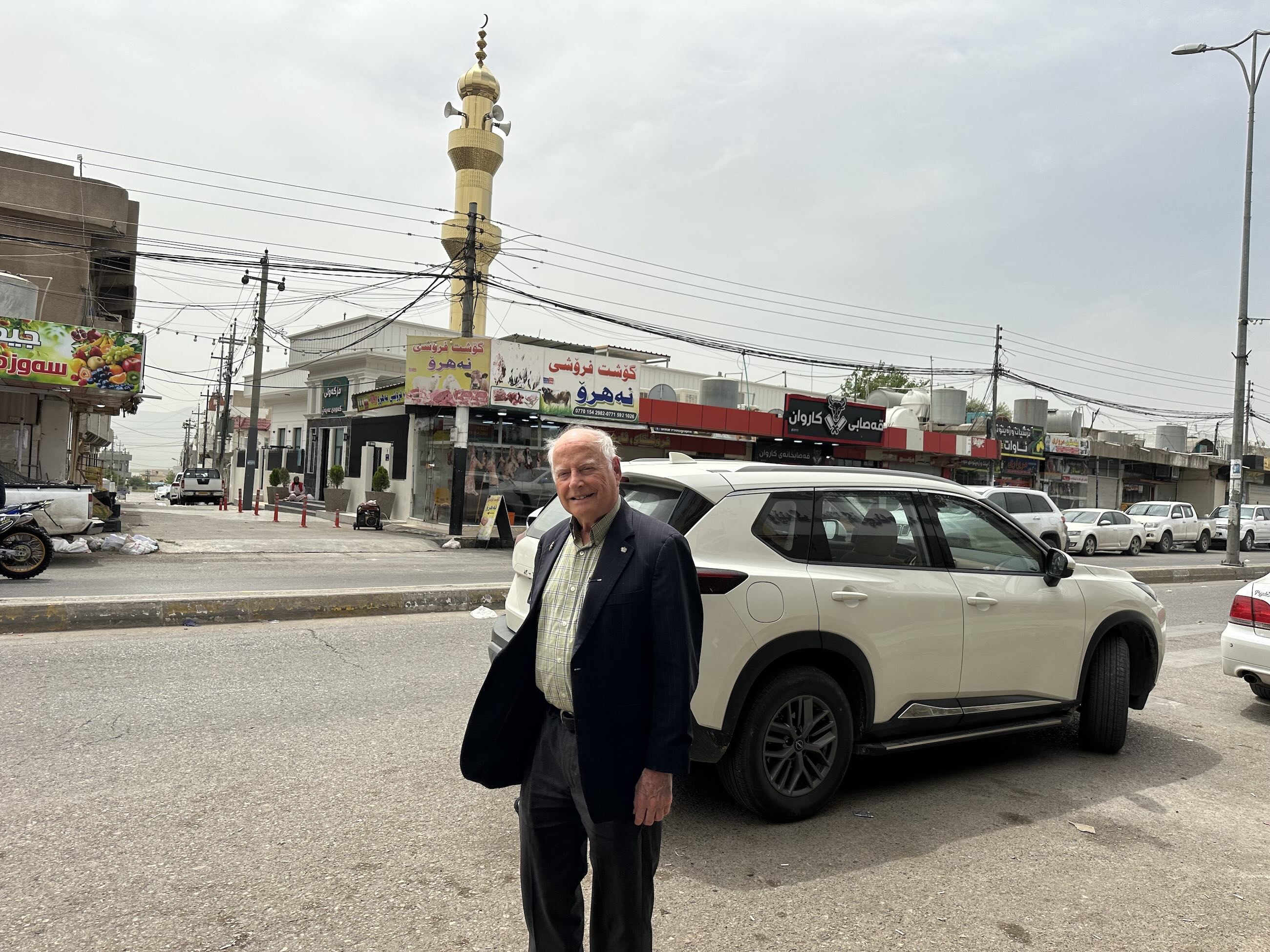
Tennessee Tech University political science professor Michael Gunter, one of the world’s foremost experts on the Kurds, recently returned from a weeklong visit to the Kurdistan region of Iraq, where he was invited to speak at the inaugural Kurdish Studies Forum hosted by the American University of Iraq–Sulaimani.
The forum, organized by the university’s Kashkul Center, brought together leading scholars and policymakers to explore the evolution and future of Kurdish studies. Gunter presented a paper tracing the origins of the academic field, reflecting on how his own experiences helped shape its growth and international recognition.
In his remarks, Gunter shared that his introduction to Kurdish issues began in 1978 when he served as a senior Fulbright lecturer in international relations at the Middle East Technical University in Ankara, Turkey. He described that experience as life-changing, explaining that it “totally changed my academic career and first seriously introduced me to the Kurdish issue.”
He went on to recall how, in 1985, he was asked by the CIA to write an analysis of the Kurdistan Workers Party, or PKK. His findings challenged Cold War assumptions of the time, arguing that the PKK’s actions stemmed primarily from Kurdish nationalism rather than Soviet influence. That analysis, later published by The Middle East Journal, helped launch his career as one of the first American scholars to study Kurdish political movements in depth.
Gunter told attendees in Sulaymaniyah that he has watched the field of Kurdish studies expand dramatically since those early years, from a small handful of researchers to a global network of scholars and institutions. “The future of Kurdish studies can only grow in quantity and quality,” he said during his talk, emphasizing the increasing participation of Kurdish academics themselves.
While in Kurdistan, Gunter also delivered several additional lectures, including talks on U.S. policy toward the Kurds and the Middle East, the international political economy and President Donald Trump’s recent address to the United Nations. This marked Gunter’s second trip to the region this year.
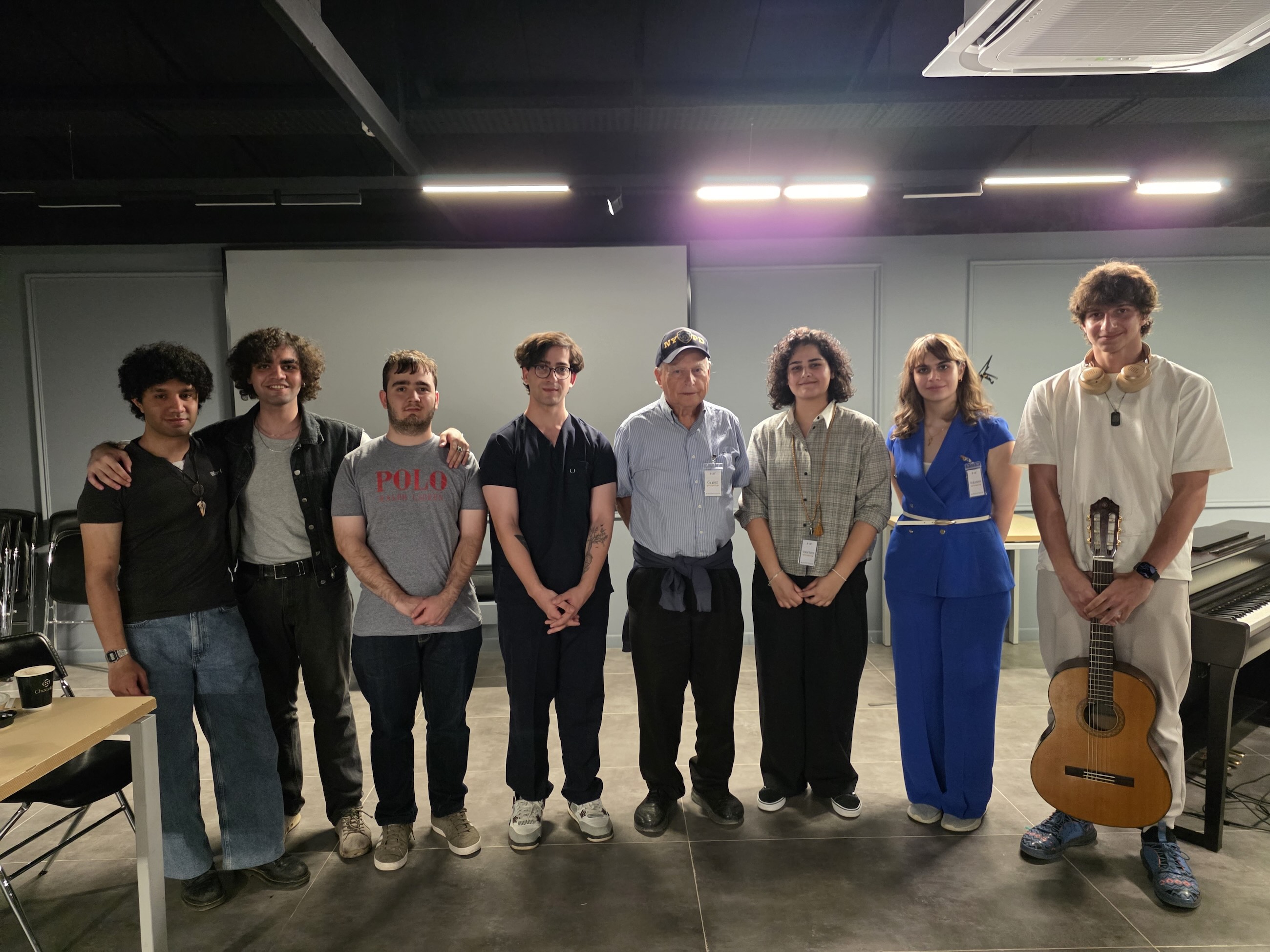
Reflecting on the visit, Gunter said the highlight came during the closing night of the forum, when more than 1,000 people attended a musical celebration. A group of Kurdish women took the stage dressed modestly in traditional burkas, then removed them to reveal military uniforms—a powerful statement of independence and defiance, he said.
“These are women standing up for their rights, and they won’t be stopped by Turkey, ISIS, Iran or anyone else,” Gunter noted.
A Tech faculty member since 1972, Gunter has spent more than five decades researching and teaching about international relations and Kurdish affairs. He has authored nearly two dozen scholarly books, presented at the CIA and the Middle East Studies Association, and lectured at universities and policy institutes around the world. Since 2009, he has also served as Secretary-General of the EU Turkey Civic Commission, an organization active in the European Parliament advocating dialogue on the Kurdish question.
Following his visit to the region, Gunter reflected on how his career has been driven by a desire to help western audiences understand the Kurds as “a legitimate people who have many positive attributes and deserve respect as an independent people.”
He said the Kurdish people remain among America’s strongest allies in the region. “During the wars against Saddam Hussein, they supported the U.S. and gained their semi-autonomous region that’s now written into the Iraqi constitution,” he said, adding that the connection between the Kurdish people and the U.S. extends even to Tennessee. Nashville is home to the largest Kurdish population in the United States.
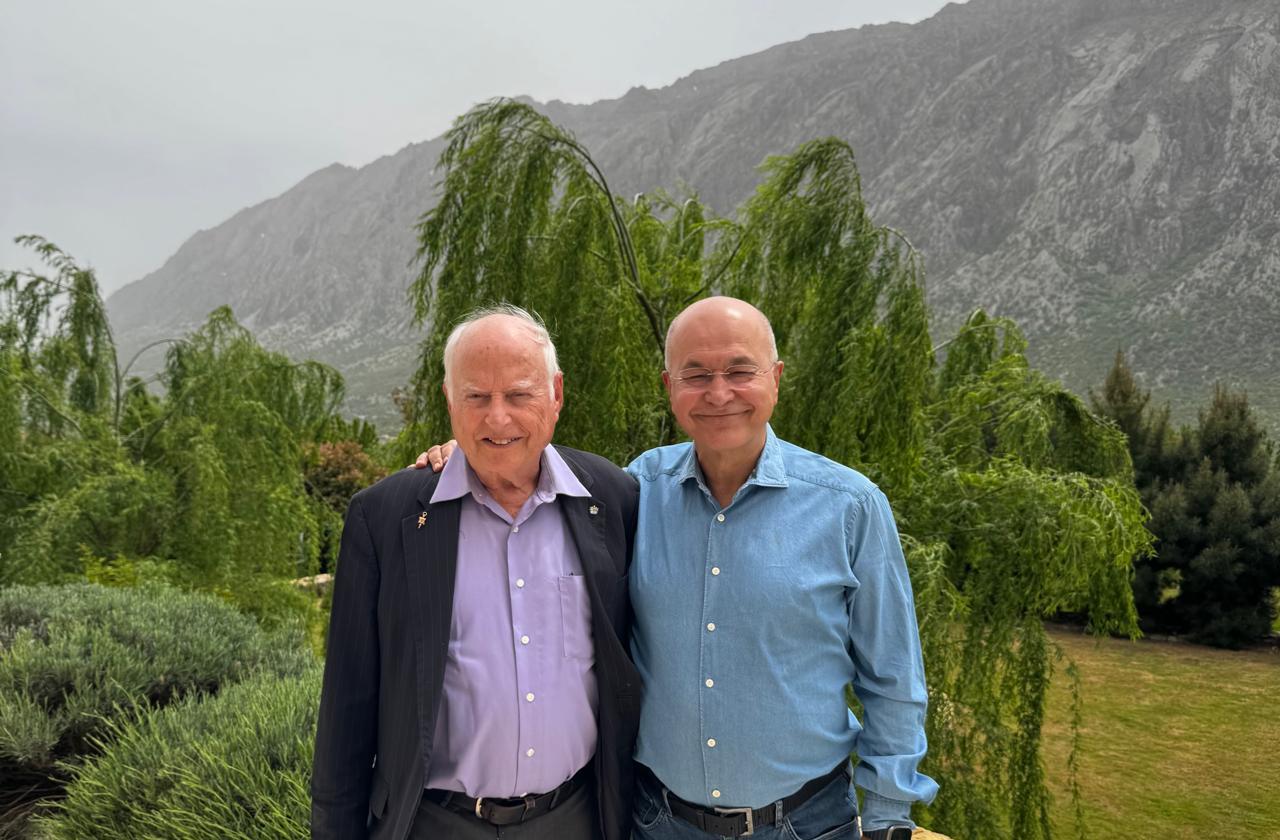
Gunter joked that, because of his longstanding relationship with the region and frequent visits, “Iraqi Kurds are probably more familiar with Tennessee Tech at this point than any other institution in the state.”
Through decades of teaching, research and international engagement, Gunter continues to strengthen Tech’s presence on the world stage while deepening global understanding of one of the Middle East’s most resilient peoples.
Learn more about Gunter’s work at https://www.tntech.edu/directory/cas/sociology/mgunter.php.