

Film and Screen Studies Minor
A Film and Screen Studies Minor is where creativity meets technology, storytelling and visual artistry. Students explore the world of filmmaking through hands-on experiences in script writing, cinematography, directing, editing, sound design, and digital media production. Whether creating short films, documentaries, music videos, or experimental projects, film minors develop the skills to turn ideas into compelling visual stories.
This 15-hour minor program encourages collaboration, critical thinking and creative problem-solving while providing access to industry-standard equipment and software. Students gain practical experience working on productions, building portfolios and learning how film influences culture, communication and entertainment.
Perfect for students in any major, a Film Minor adds a powerful creative dimension to academic studies, helping students become skilled storytellers, innovative content creators and effective visual communicators in an increasingly media-driven world. Thinking a minor in film and screen studies is for you? Courses are open for enrollment for Spring 2027 semester or reach out to Teddy Burch at tburch@tntech.edu for more information.
Course Requirements
Required Classes (6 hours)
JOUR 3500 Visual Storytelling
and
ENGL 2200 Intro to Film Studies
or
FILM 2300 Introduction to Screen Studies
Elective Classes (9 hours)
- COMM 3120 Visual Communication/Rhetoric
- FILM 3300-3309 Special Topics in Film Studies
- HIST 4400-4409 Film Studies
- JOUR 3120 Film and American Culture
- JOUR 4500 Advanced Visual Storytelling
- POPC 4050 Science Fiction and Fantasy
- POLS 4430 Power and Privilege on Screen
- ENGL 4983 African Film Studies
- THEA 3600 Film Studies
Reel Tech Film Festival
The Annual Reel Tech Film Festival is where creativity takes center stage and the next generation of filmmakers shine. Reel Tech brings together talented storytellers, visionary creators and passionate audiences for an unforgettable celebration of film. Students in the Film and Screen Studies minor show their work alongside talented student filmmakers from around the region, the country and even worldwide!
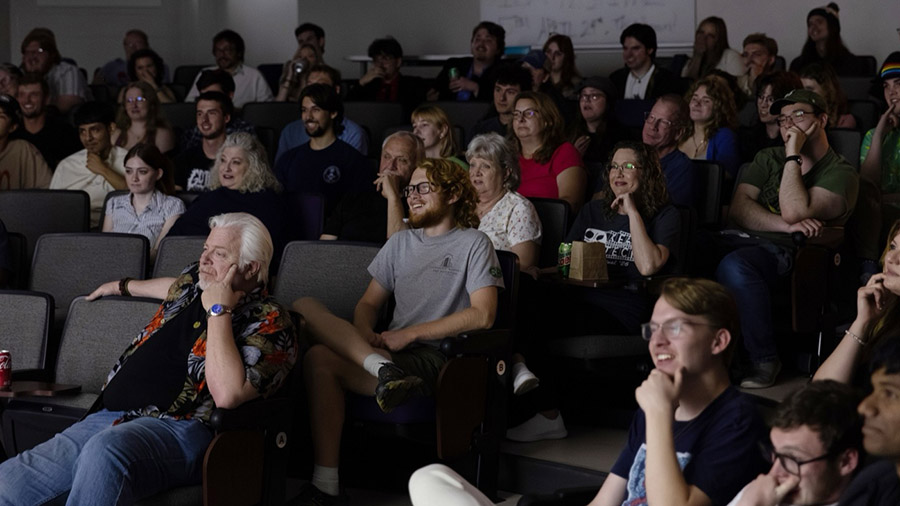
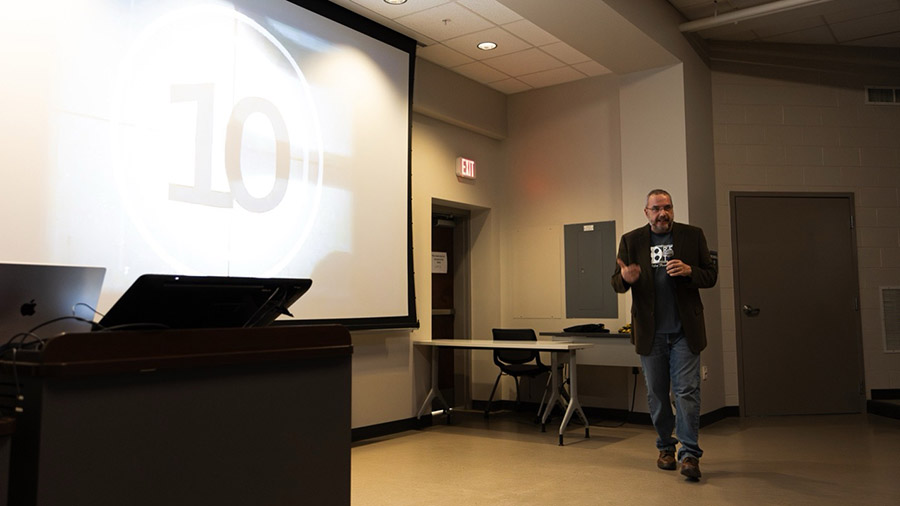
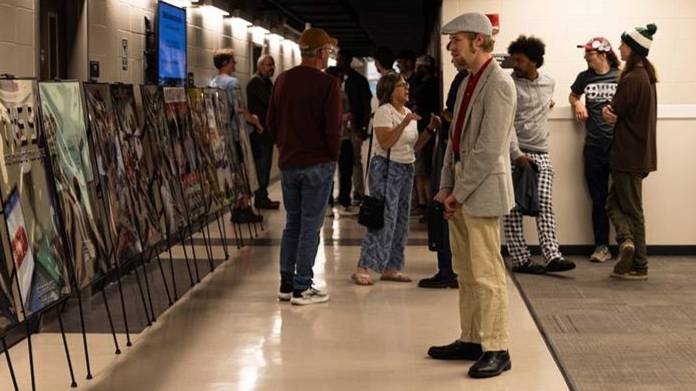
From captivating narratives and powerful documentaries to groundbreaking animations, experimental films, trailers, and micro-shorts, Reel Tech showcases the very best in emerging cinematic talent. Every screening is an opportunity to experience fresh perspectives, bold ideas, and stories that entertain, challenge and inspire.
Course Descriptions
These courses provide opportunities to explore film and media from a variety of perspectives, including analysis, history, storytelling, politics, culture and visual communication. Students will develop a deeper understanding of how films and screen media are created, interpreted and situated within their broader social, cultural and historical contexts. Through coursework spanning multiple disciplines, students can tailor the minor to their interests while strengthening their critical thinking, media literacy and analytical skills.
- ENGL 2200 - Introduces students to the film studies. Students learn the concepts and vocabulary for critically analyzing films as well as how to situate films and media their social and historical context
- FILM 2300 - Introduces fundamental concepts of film analysis while expanding toward contemporary screen cultures, including television, videogames, mobile and social media, and digital platforms. Topics include spectatorship, interface, representation, interactivity, and the cultural, social, and political implications of screen environments.
- JOUR 3120 – This course examines the relationship between American film and American culture from the early 20th century to the present. We will explore how film shapes and reflects evolving social values, political ideologies, identity, race, class, gender and historical moments in the U.S. Through critical screenings, readings, and discussions, students will develop a deeper understanding of film as both art and cultural artifact.
- JOUR 3500 - Visual Storytelling explores the art and craft of telling compelling stories across multiple platforms, including text, photography, audio and video. Through a combination of lectures, hands-on workshops, and collaborative projects, students will learn how to conceptualize, create and publish engaging stories that creative in nature.
- COMM 3120 - The course introduces basic principles of critical perception and interpretation of the processes of visual communication/rhetoric in the mass media, fine arts, films, and photography.
- FILM 3300-3309 – These special topics section will have a variety of courses focusing on script writing, cinematography, field production, the best of the worst B movies, and more
- HIST 4400-4409 – These special topics courses will explore the history of films.
- JOUR 4500 – This course expands on the theory and principles from JOUR 3500. This advanced course gives the student the opportunity to create more advanced and better short films and documentaries.
- POPC 4050 - Analysis and discussion of themes, conventions and stereotypes in short stories, novels and films.
- POLS 4430 - This course involves the evaluation of political film, documentaries and campaign ads using appropriate film theories, political texts and political writings.
- ENGL 4983 - This class on African film studies will introduce the student to thinking about artistic films from many different countries with a holistic, global perspective. It will review some of the technical terminology for film analysis. In addition, the class will ask students to reflect and think critically about how film audiences categorize and interpret films by considering the films in their cultural, social, and political contexts.
- THEA 3600 - This course will focus on the film work of significant movie directors, performers, cinematographers or on a particular film genre. The student will gain a sense of the work of that director, performer, cinematographer, as well as the challenges they face putting together a film. Or, the student will get an opportunity to examine films that are significant to that particular genre. We will examine film practices, film directors, actors, cinematographers, or film genres as chosen by the instructor. The student will be responsible for watching the films in class, discussing the films and writing about the films.