

Upcoming Events
The Craft Center presents two annual events for the entire family to enjoy! Celebration of Craft in the spring and Holiday Festival in the fall.
Exhibitions
The Appalachian Center for Craft hosts multiple exhibitions annually featuring functional and sculptural works of traditional and contemporary fine craft and mixed media by international, national and regional artists including artists from the Appalachian Center for Craft.
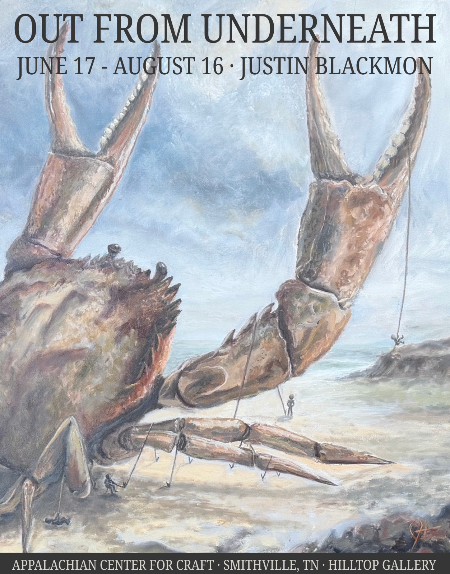
June 17 - September 10
Justin Blackmon, Out from Underneath
Justin Blackmon is a Tennessee based artist working in oil painting and mixed media.
His work explores memory, imagination, symbolism, and the emotional tension between
vulnerability and resilience. Using surreal imagery and small figures placed in unusual
or bold situations, Blackmon reflects on what life feels like from a deeply personal
perspective.
The ideas behind the work come from lived experience, imagination, observation, noise,
and the paths we carve through struggle, routine, and unbridled confidence. While
the imagery often carries surreal concepts, it is rooted in recognizable emotional
experiences, and the strange feelings of daily living.
At the center of the work is a recurring feeling of being small in a vast and sometimes
overwhelming world, yet still courage, movement, and meaning flow outward. Like ants,
we are fragile, collective, persistent; the figures embody both insignificance and
quiet strength. The work becomes an expression of life as Blackmon experiences all
its uncertainty, beauty, and extraordinary within the ordinary.
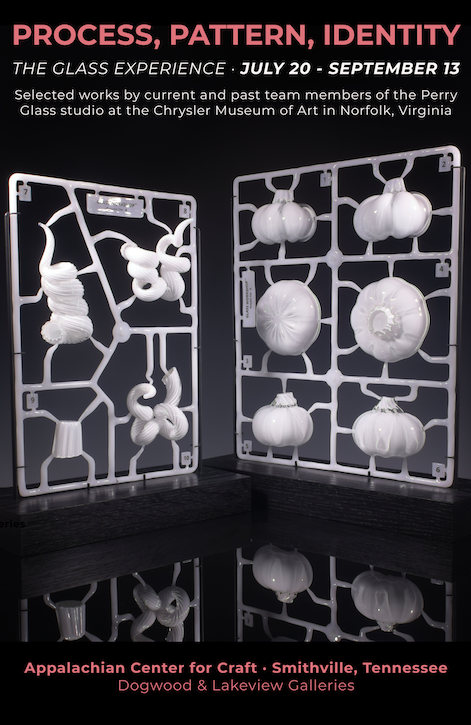
July 20 – September 12
Process, Pattern, Identity; The Glass Experience
Works from the Chrysler Museum of Art Glass Studio Team
“Process, Pattern, Identity; The Glass Experience”: is an exhibition featuring innovative
artworks that push the traditional medium of glass into the contemporary art realm.
Through its fresh ideas and diverse techniques, the audience will explore the studio
practices of artists connecting through a shared passion for making and conceptual
craft. The show is composed of selected pieces from the team members of the Chrysler
Museum of Art’s Glass studio in Norfolk, Virginia, working with glass in various capacities.
All works have been carefully curated by Kimberly Mckinnis and Julia Rogers. Techniques
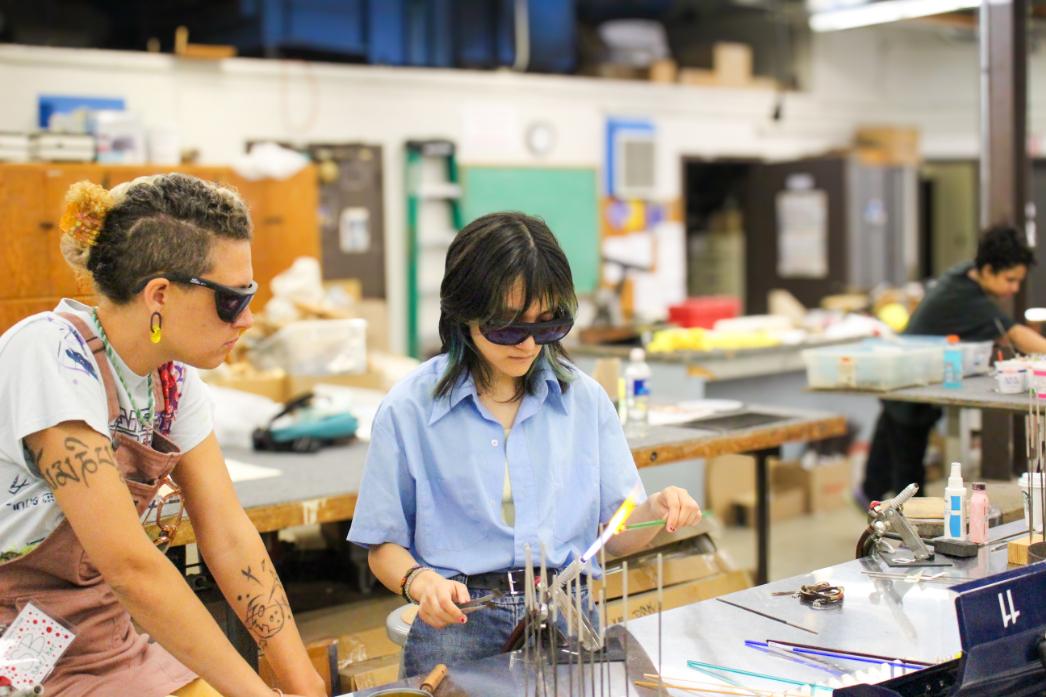
include stained glass, glass casting, flameworking, fusing, NEON and sculpture.
The Chrysler Glass Studio was founded in 2011, beginning with a small crew of just
a few artists. Since then, it has grown into a tight knit community of twenty-one
passionate makers, currently working together to cultivate glass education in the
Hampton Roads area. The majority of its members began as interns and then graduated
from the museum’s assistantship program. This six-month residency is designed for
recent craft school graduates and allows for continued professional development through
the institution. During that time, all participants live and work locally while dedicating
themselves to their practice. This collective of artists has come together through
this shared experience, love of craft and continues to cultivate creativity together.
The team members come from diverse backgrounds and hail from all over the globe. These
skilled artisans come together in this expansive exhibition and intersect in themes
of artists’ identity and craft-based processes. Glass–a multi-faceted material, is
one of the most challenging mediums, taking years to master. The works on view will
illustrate the long road to craftsmanship while exploring the introspective practices
connecting these makers.
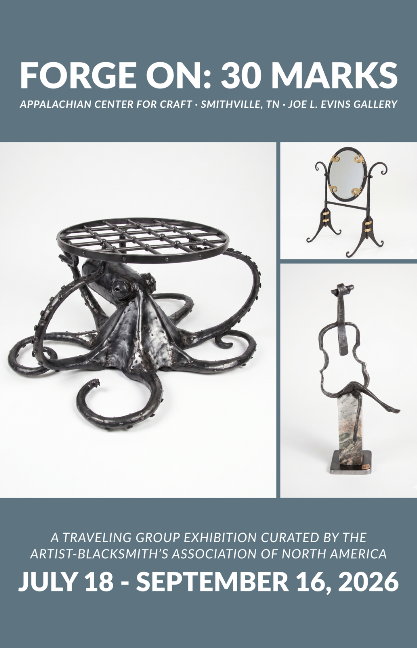
July 18 – September 16
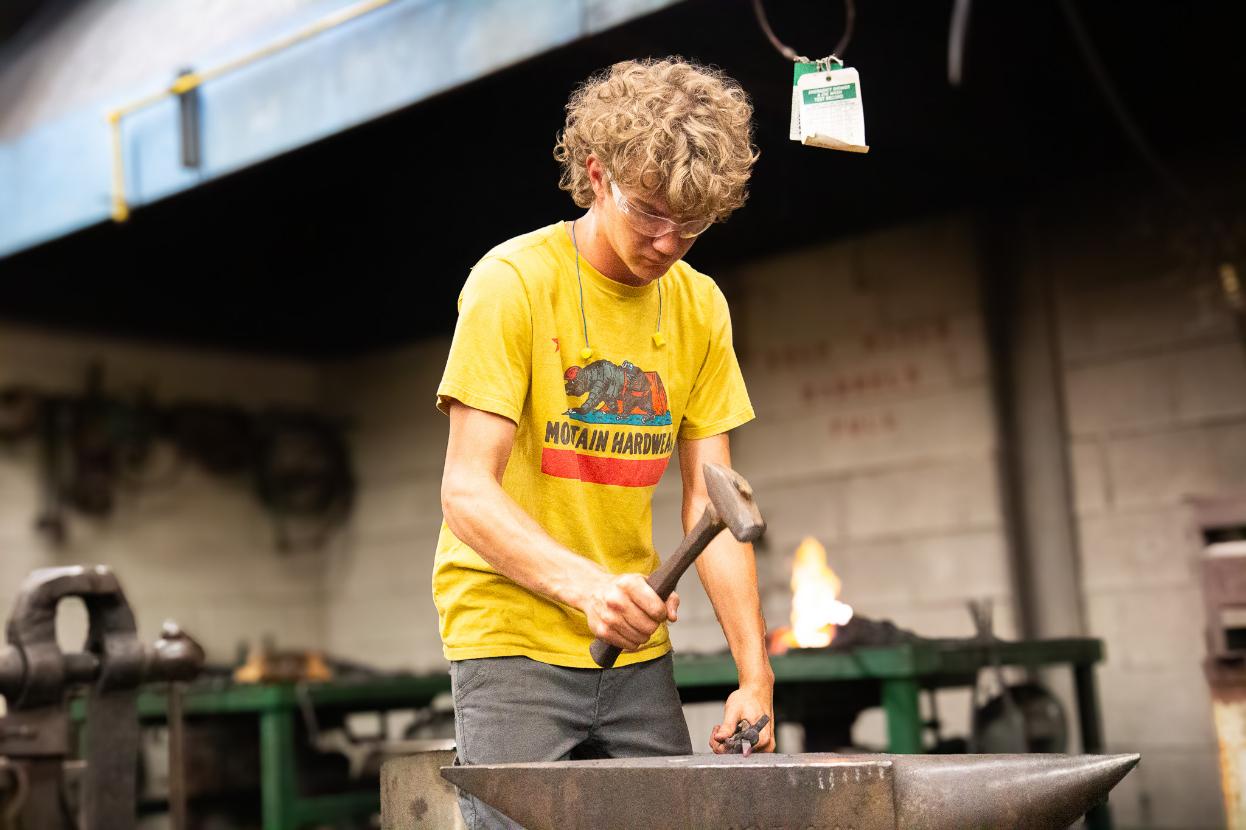
Forge On: 30 Marks
Traveling Exhibition Curated by the Artist-Blacksmiths Association of North America
The Artist-Blacksmith’s Association of North America is a 501(c)(3) non-profit organization
dedicated to preserving, promoting, and sharing technical skills and design excellence
in the blacksmith community. We offer education workshops, technical and art publications,
grants, awards, conferences, and exhibitions honoring the metal arts.
ABANA’s primary function is that of education – both within the blacksmith community
and beyond. The ABANA National Curriculum is an educational path that teaches, evaluates,
and certifies blacksmiths in traditional forging skills as well as instructors. This
nationally recognized program helps to elevate the skills of the blacksmithing community
as a whole and easily distinguishes blacksmiths who have acquired the skills needed
to pass each level of the curriculum.
ABANA also works to introduce the forging arts to members of the general public as
well as architects, designers, and other related professionals. Through exhibitions,
demonstrations, and conferences, members of the public are invited to learn more about
the history and the place that blacksmithing occupies in the world today.
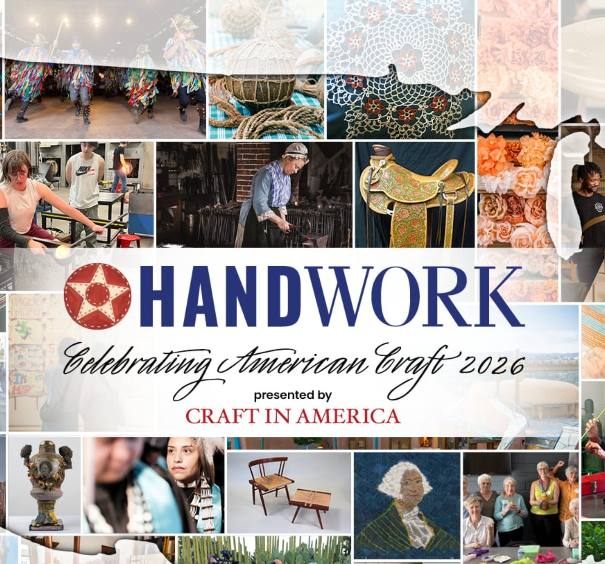
Handwork: Celebrating American Craft 2026
Reception: September 19
Woodsmoor Fellows Exhibition
September 14 – November 13
Alumni Invitational Exhibition
September 17 – December 19
Past Faculty Exhibition
September 19 - November 15
September 16 - November 14
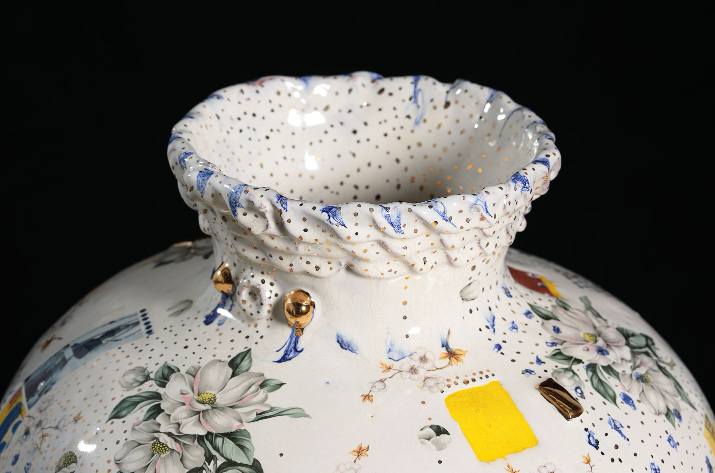
Elissa Armstrong Solo Exhibition
Ceramics
November 19 - February 14, 2027
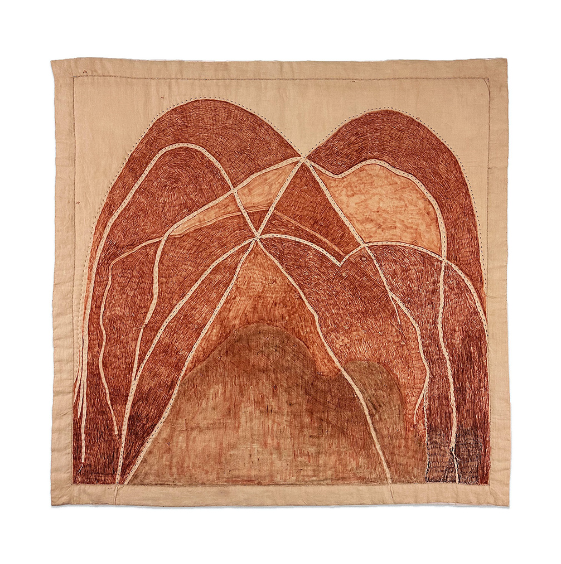
Casey Engel, Keep Close
Fibers & Ceramics
November 18 - December 12
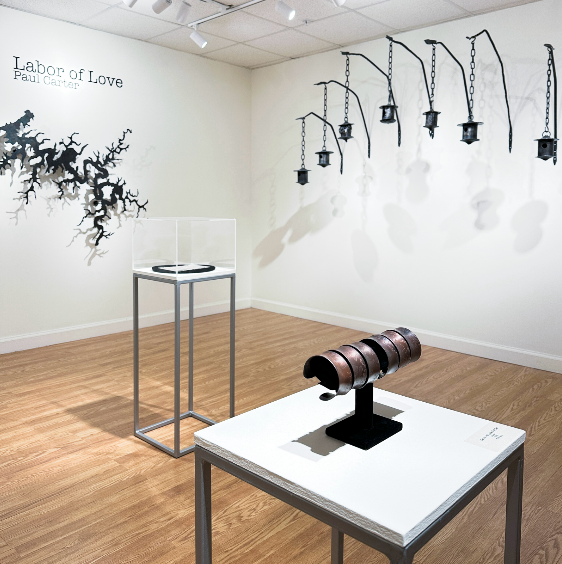
Capstone & Senior Thesis Exhibitions
February 12 – April 5, 2027
Lauren Bradshaw, Shrouded Fissures
Group Fibers Exhibition
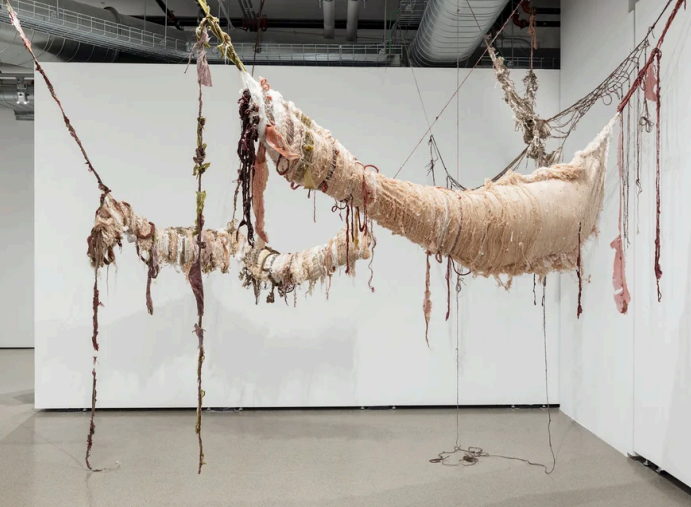
February 14 – April 12, 2027
Adam Atkinson + J Diamond, A Single Strand
Jewelry & Fibers
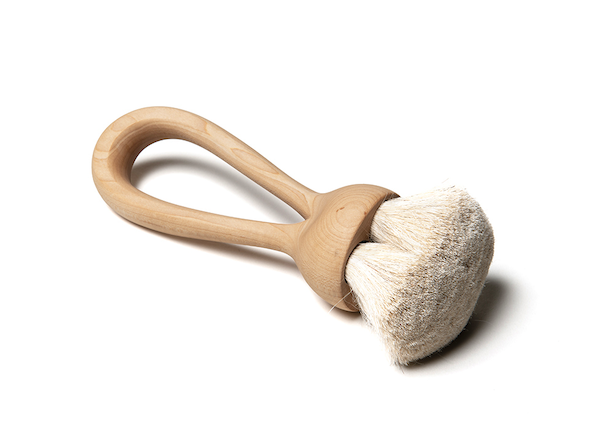
February 17 - April 13, 2027
Robert Aiosa, Yesterday, Today, And Tomorrow
Sculpture/Wood
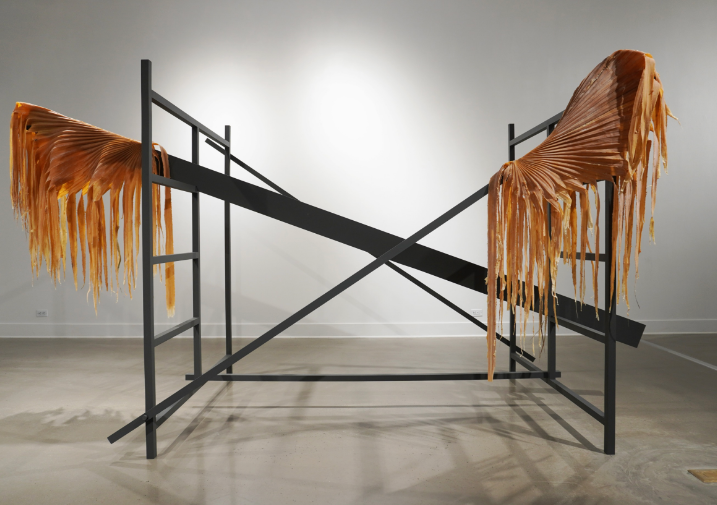
April 9 – June 6, 2027
Artist-In-Residence Exhibition
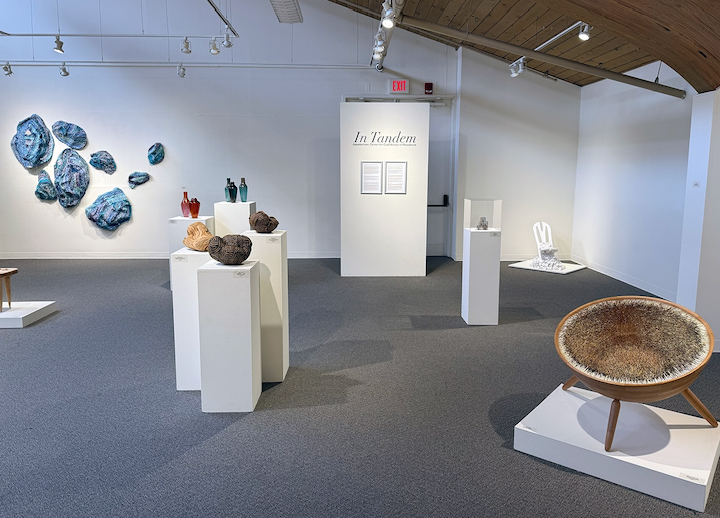
April – May
Capstone & Senior Thesis Exhibitions
May 13 – July 10, 2027
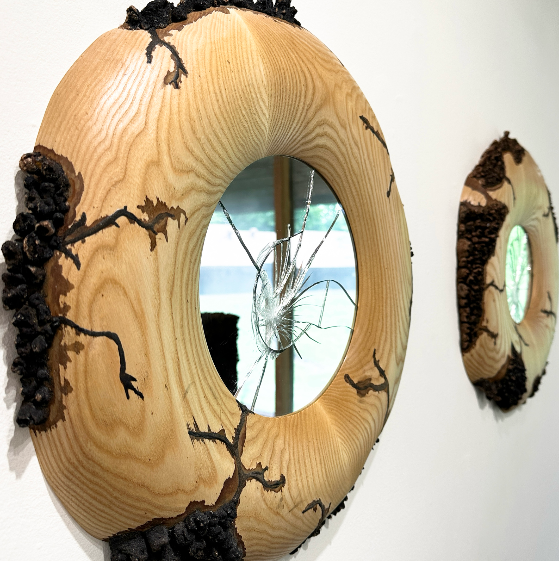
Ron Lambert, Reasonable Recall
Wood/Sculpture
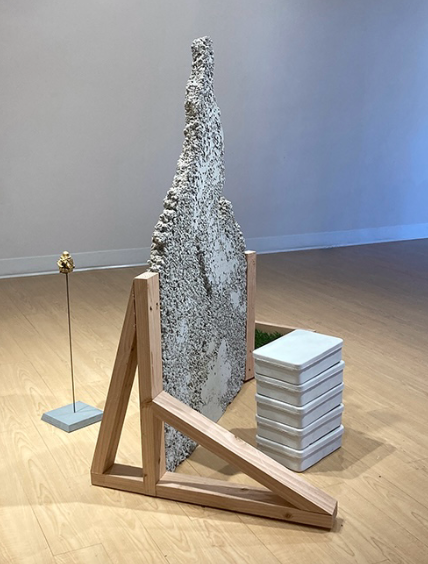
May 14 – July 11, 2027
Johanna Norry + Amanda Britton, Material Archive
Fibers & Mixed Media
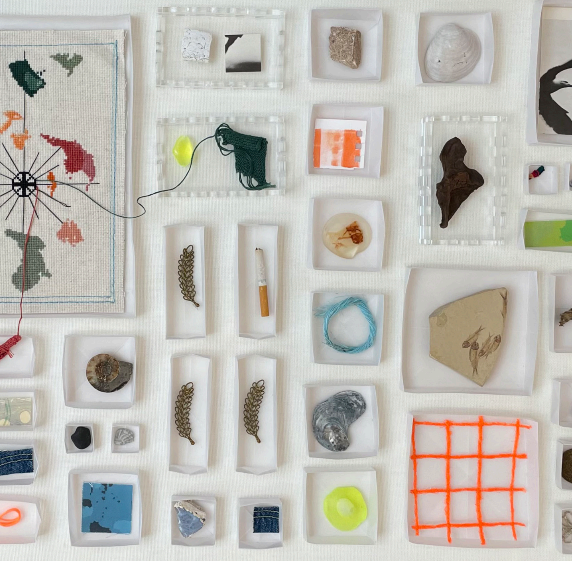
May - July
High School Students & Educators, Focus on Fine Craft
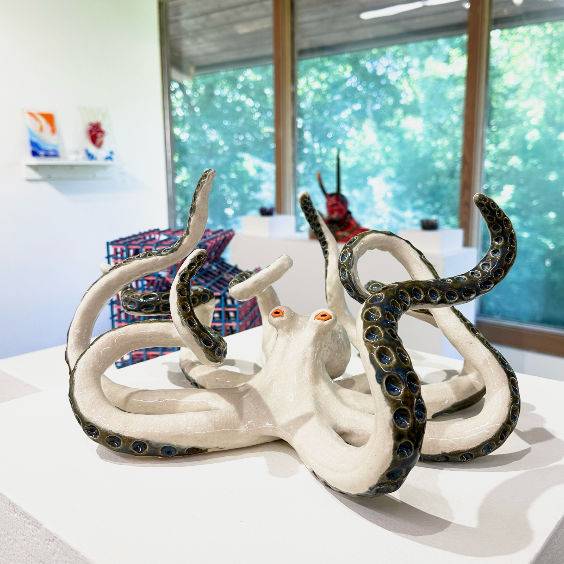
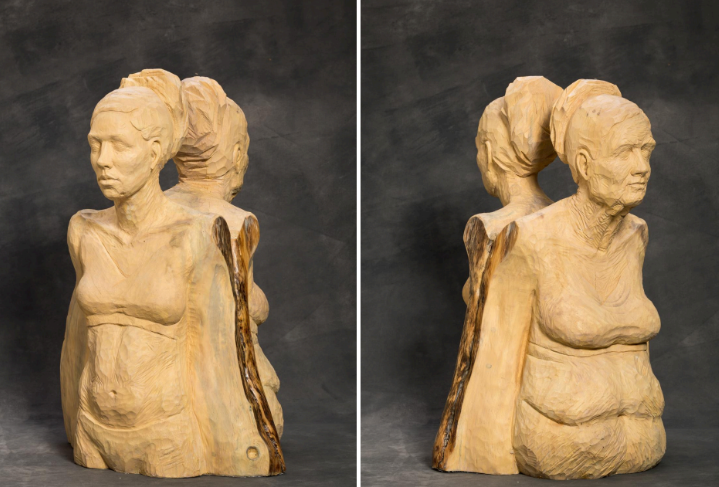
June 9 – August 8, 2027
Brian Melton, Sculptured Narratives
Wood
July 15 – September 8
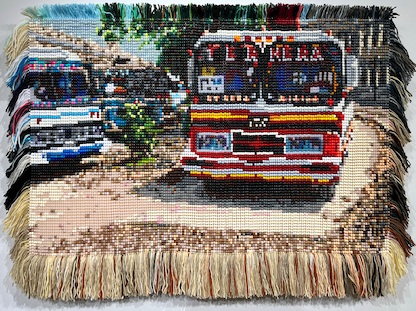
Jeana Klein, Cruise Pix (Toss)
Fibers
Artists featured in the Appalachian Center for Craft's exhibition program are selected through a jurying process during an annual call for proposals.