
Story Highlights
Identity Found: Tennessee Tech at 110 & Counting
In 2025, Tennessee Tech University celebrated its largest total enrollment in a decade, the highest freshman retention rate on record, another all-time high for externally funded research and 11 straight years as a nationally ranked institution by U.S. News & World Report, among other milestones.
The road to that success, however, was longer than many realize.
In The Search for Identity: A History of Tennessee
Technological University, 1915—1985, authors and former Tech faculty members Harvey G. Neufeldt and W. Calvin Dickinson chronicled the university’s humble beginnings and early challenges—a story worth revisiting as Tech cements its place as a statewide higher education leader today.
As the book explains, Tech’s story began with a group of visionaries from the local Church of Christ who dreamed of building a college in the rolling hills of Cookeville. With little more than determination and faith, they secured a charter in 1909 for what would be called Dixie College—a school that pledged daily Bible instruction and a board composed solely of church members.
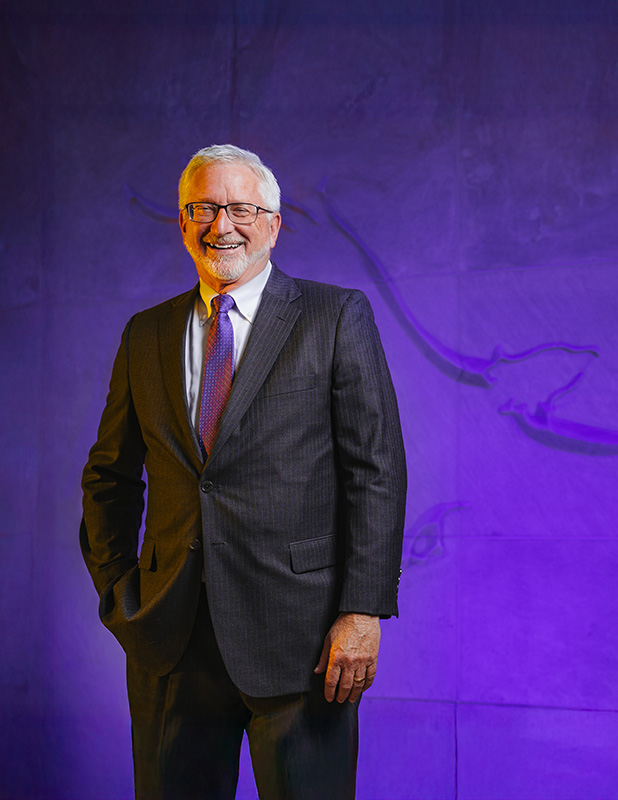
Money was scarce, and progress was slow. By 1914, the school had only one completed building and struggled to stay afloat. That year, Dixie College agreed to serve as a four-year high school for the city—a temporary measure that couldn’t stave off financial collapse. When its doors closed, many feared the dream of a college in Cookeville had closed with it.
But the idea of higher education in the Upper Cumberland proved too powerful to die. Within a year, the state legislature approved a new institution to take its place: Tennessee Polytechnic Institute.
The new school faced the same question Dixie College’s founders had wrestled with from the beginning—what exactly was it meant to be?
Its earliest years were uncertain. “Its identity was not clear, its need doubtful and its legitimacy within educational circles questionable,” wrote Neufeldt and Dickinson. For its first decade, the state board viewed TPI “more as a high school than as a college.” During World War I, President Thomas Alva Early even proposed transforming it into a military training school, requiring all male students to wear uniforms on campus and whenever they were within five miles of the grounds.
Through the 1920s, the school slowly evolved. High school courses were phased out, college programs were added, and by 1928, TPI could finally claim full collegiate status. Even then, its purpose was up for debate. Should it focus on agriculture, teacher training or engineering and the applied sciences? The tug-of-war over identity continued for decades.
When accreditation arrived in 1939, the milestone was cause for celebration—a parade even—but also a signal that Tennessee Tech had finally earned a lasting foothold in higher education. Still, as Neufeldt and Dickinson observed, “During the 1930s, TPI also had to deal with the crisis brought on by the depression and at the same time define its mission.”
Four decades later, when the two historians published The Search for Identity, Tennessee Tech had matured but was still solidifying its place in higher education. Today, that search is over.
“We know who we are,” said Tech President Phil Oldham. “We appreciate it, we celebrate
it, we own it—and we work really hard to be the best we can be, now and well into
the future.”
Oldham describes Tech’s character as “rooted and grounded in common sense and practicality”—traits that have guided the university since its earliest days. “Tennessee Tech always responded to the need,” he said. “Whether that was teaching high school courses, offering associate degrees or opening the campus to military training, it always met the need.”
With more than 225 programs of study, Tech continues to meet needs across disciplines. Today, the university offers one of only two baccalaureate-level nuclear engineering programs in the state, is Tennessee’s top producer of teachers and its nursing graduates earn some of the highest licensure exam pass rates statewide.
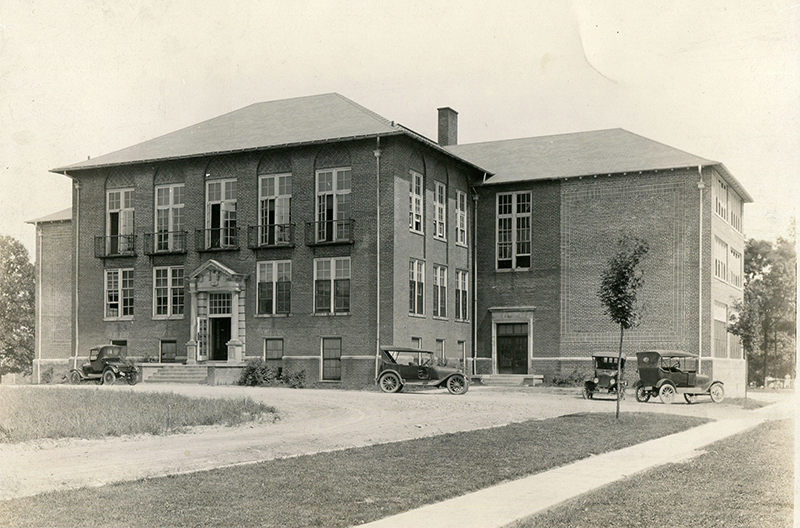
Tech’s College of Business is home to the top-ranked finance degree program among public universities in Tennessee, according to University HQ, while the College of Fine Arts has grown enrollment by 36 percent over the past four years. “Tennessee Tech’s identity has evolved,” Oldham said. “We’ve learned that we can do more, and we can be better.”
He credits past leaders, especially President Everett Derryberry, for laying the foundation of Tech’s enduring strength. “His fingerprints are still all over this campus,” Oldham said. “A lot of the identity of Tennessee Tech is rooted in his personality and character.”
But today’s Tennessee Tech, he added, is writing its own chapter—one that builds on that legacy while looking confidently ahead.
“We’ve seen what we’re capable of. We know we can keep pushing that identity to new heights,” said Oldham.
If someone were to write a sequel to The Search for Identity, Oldham already knows what his chapter would be called.
“I would lead with ‘Identity Found’,” he said. “We still have more to learn and more to grow. But we’re secure in who we are, and we work hard to be the best we can be, now and well into the future.”
Walking the Wilmore Way
When retired NASA astronaut Barry “Butch” Wilmore returned to Tennessee Tech University after a whirlwind nine-month stay at the International Space Station, he wasn’t just coming home—he was seeing his story become part of the campus itself.
The two-time Tech graduate, trustee and Golden Eagle football alumnus was honored by his alma mater with two rare distinctions: the Order of the Eagle Award, the university’s highest honor, and the naming of a new pedestrian walkway and plaza in the heart of campus as “Wilmore Way.”
Together, the honors mark a homecoming that recognizes not only Wilmore’s achievements in space but also his enduring impact on the university and the example he sets for generations of Tech students to come.
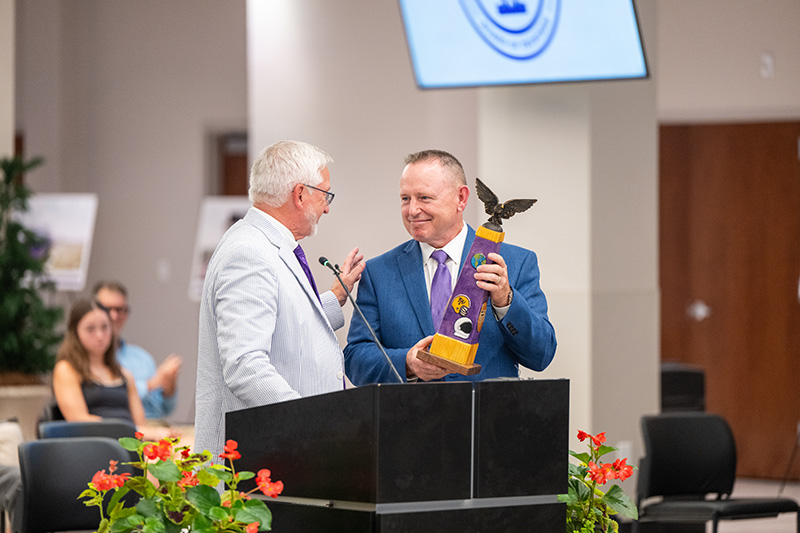
Wilmore’s first visit back to campus came in June, when he resumed his seat on Tech’s Board of Trustees for the first time in more than a year. It was a reunion filled with emotion—and surprise.
President Phil Oldham presented Wilmore with the Order of the Eagle, a distinction reserved for individuals whose influence on the university and its reputation is unparalleled. The award has been given only once before, when it was presented posthumously to former President Everett Derryberry and First Lady Joan Derryberry during Tech’s centennial in 2015.
Trustee Trudy Harper followed by reading a resolution recommending that the university name its newly built walkway in Wilmore’s honor. The motion passed unanimously, with trustees citing Wilmore’s courage, humility and embodiment of the Tech spirit —“bold, fearless, confident and kind.”
“I have rarely been without words in my life,” Wilmore said that day. “I’m touched, grateful. Who would have thought, a couple decades ago, walking around this campus, that a day like this would happen?”
The ceremony took a heartfelt turn when Wilmore’s colleagues introduced a special guest: Pam Inman, a Special Olympian and cancer survivor who had written to the university expressing her admiration for Wilmore and a wish to give him one of her gold medals.
Inman presented the medal to Wilmore, who in turn surprised her with a baseball cap he had worn aboard the International Space Station. Oldham and First Lady Kari Oldham then honored Inman with the university’s “Wings of Kindness” award for her act of generosity.
Wilmore was celebrated again in October, when students, faculty, alumni and community members gathered for the official dedication of Wilmore Way. The new pedestrian walkway and plaza extends through the heart of campus, offering a daily reminder of Wilmore’s journey from Golden Eagle student-athlete to world renowned astronaut.
“I think the three-letter word that comes out of my mouth is ‘wow,’” Wilmore said during the dedication. “This feels like family—it really does. My favorite colors are purple and gold and have been for decades because of this place. I love this university. This place is special.”
Wilmore first enrolled at Tech in 1981, following in the footsteps of his father, Eugene, a 1958 Tech graduate. A walk-on for the Golden Eagle football team, Wilmore played from 1982 to 1985 before embarking on a career that took him from the U.S. Navy to the stars.
He was inducted into Tech’s Sports Hall of Fame in 2003, received an honorary doctorate in 2012 and joined the Board of Trustees in 2017.
For Oldham, the walkway’s name captures more than just a physical route across campus.
“It’s the way we’re going to get around on campus, but even more importantly, it points us back to Barry’s life, his career and his character,” said Oldham. “The ‘Wilmore Way’ is a great way to live, to set an example and to give back.”
Wilmore’s example of perseverance and purpose was also on display during Tech’s annual homecoming parade, where he served as grand marshal before cheering on the Golden Eagles alongside fellow alumni.
As students and visitors now cross the brick walkway bearing his name, they are reminded that the path to greatness often begins in small steps—perhaps even the same ones Wilmore once took on his way to class, long before he reached for the stars.
Casey Fox Building Champions On and Off the Field
W hen Casey Fox first stepped onto Tennessee Tech’s campus as the university’s new director of athletics, he wasn’t thinking about trophies, titles or the pressure that comes with leading a Division I program. He was thinking about people: the student-athletes, coaches and staff who pour their hearts into representing the purple and gold every day.
“I saw right away there was a want-to spirit here,” Fox said, recalling his initial visit to Cookeville. “There’s this drive to succeed, a passion for excellence and strong institutional support. That combination of the people and purpose made it an easy decision for me to come here.”
With more than 25 years of experience across college athletics, Fox has built a career that spans nearly every aspect of athletic administration. His journey, which includes leadership posts at Montana State, Washington State, the University of Utah, Eastern Washington University and the U.S. Naval Academy, reflects a steady, purpose-driven rise shaped by mentors, grit and a belief that athletics can transform lives. Now, at Tennessee Tech, he’s ready to channel that experience into a new era of growth, unity and competitive excellence.
A Purpose-Driven Path into College Athletics
Fox’s career didn’t begin in an athletic department. After graduating with a degree in business and finance, he started out as a financial planner in the San Francisco Bay Area. It didn’t take long for him to realize that the corporate world wasn’t where he wanted to spend his career.
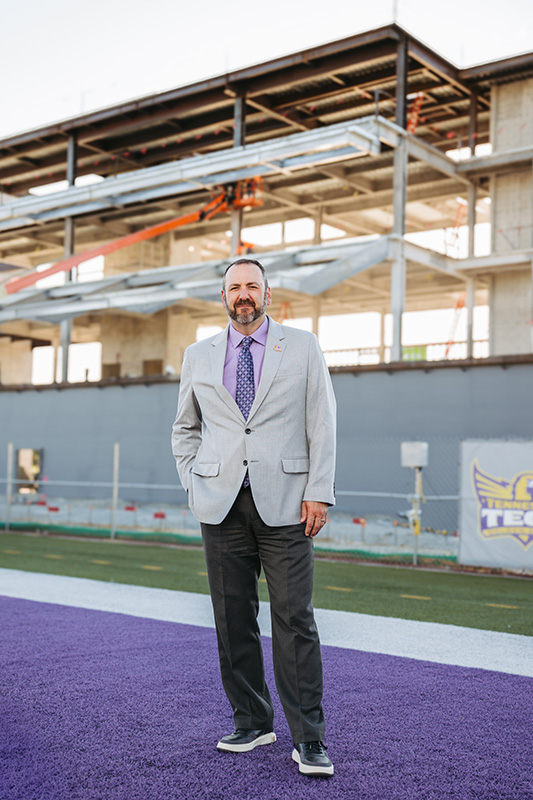
“I kind of fell into athletics,” he said with a laugh. “I realized pretty quickly that I wanted something that connected purpose with people.”
That realization set him on a new course, one rooted in the belief that athletics is as much about human development as it is about competition. Fox transitioned into marketing and game operations and later gained experience in fundraising, external relations and sport administration. Each new role broadened his perspective and deepened his understanding of the student-athlete experience.
“I’ve been fortunate to work at a variety of institutions,” he says. “And at every stop, I’ve had incredible mentors who helped shape how I lead and how I see the broader mission of athletics.”
Among those mentors were some of the most respected leaders in the field, including Boo Corrigan at NC State, Jim Sterk at Missouri and Leon Costello at Montana State. From them, Fox learned the fundamentals that anchor his leadership philosophy today: listen first, empower people, communicate a clear vision and hold yourself accountable.
“Leadership isn’t about being the loudest voice in the room,” Fox said. “It’s about empowering others to succeed.”
A Vision Rooted in Growth, Grit and Belonging
When President Phil Oldham announced Fox’s appointment, he called him “a leader of high integrity with a clear understanding of the role athletics plays in the life of a university.” For Fox, that role extends far beyond wins and losses.“I want Tennessee Tech to be competitive in everything we do,” he explained. “That means winning on the field, yes, but also winning in the classroom, in the community and in how we support and develop our student-athletes.”
Fox sees athletics, academics and community as interconnected forces that shape the student-athlete experience.
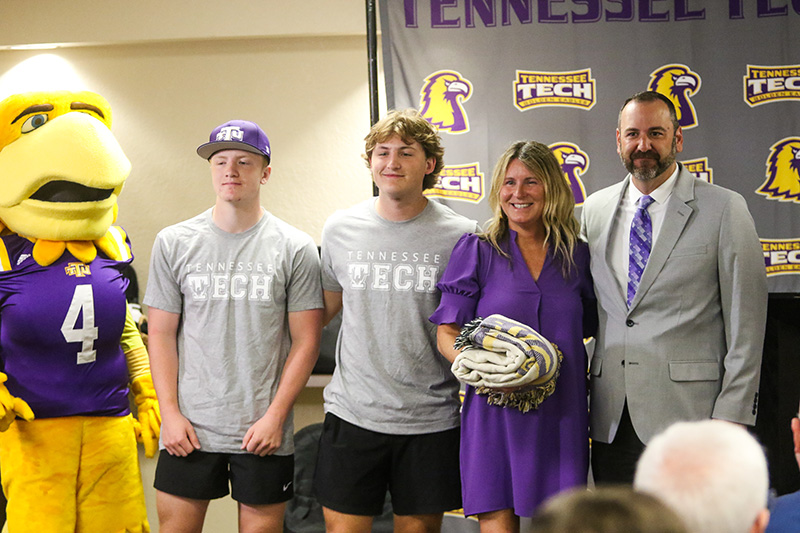
“When we talk about success, it’s about the total experience,” he said. “It’s about preparing young people for life.”
He describes Tennessee Tech as being “in the right place at the right time,” pointing to the university’s rising enrollment, strong academic profile and growing facilities as momentum builders. Tech, he believes, has the ingredients needed for a major step forward, and athletics can help accelerate that momentum.
A significant part of Fox’s vision involves strengthening Tech’s infrastructure. The university is already investing in transformative projects, including a new west side football stadium that will modernize the game-day environment for athletes, fans and visitors.
“These facilities are more than just buildings,” he said.“They’re statements about who we are and where we’re headed.”
Fox’s experience at Montana State, where he helped lead fundraising for a state-of-the-art indoor practice facility, gives him insight into how strategic investments can energize a program and deepen community pride.
“The Upper Cumberland takes tremendous pride in this university,” he said. “Our facilities should reflect that pride and serve as places that bring people together.”
He emphasizes that smart stewardship is key.
“Every dollar should create opportunities for student-athletes, enhance the fan experience and strengthen the connection between Tech and its supporters.”
Leading with Values
Ask Fox what drives him, and he answers without hesitation: integrity, accountability and relationships.
“I believe in giving people the space to do their jobs,” he said. “If you hire good people, you trust them. You support them. And you hold everyone, including yourself, accountable.”
Since arriving at Tech, Fox has spent much of his time meeting individually with coaches, staff and student-athletes, and not to talk to them, but to listen. “Communication is everything,” he said. “People need to understand not just what we’re doing, but why we’re doing it. That transparency builds trust.”
His approach aligns naturally with President Oldham’s collaborative leadership style, which emphasizes unity and shared purpose. “President Oldham has built an environment where athletics and academics complement each other,” Fox says. “That allows us to think big and to not just keep up, but to lead.”
College athletics today is evolving at a rapid pace, from name-image-likeness changes to transfer portal rules to rising expectations for mental health support. Fox views these challenges not as hurdles, but as opportunities. “It’s changed immensely in the last 10 years,” he explained. “The key is adaptability. You have to stay grounded in your values but flexible enough to navigate change.”
One constant for Fox is the priority he places on student-athlete well-being. “Winning is great, but it’s only one measure of success,” he says. “We are preparing our student-athletes for life, which encompasses everything academically, mentally and emotionally.”
That commitment extends to his staff as well. “When your team knows you care about their growth, they’ll give you everything they have,” he said.
Creating a Culture of Connection
Fox knows that filling stadiums and arenas is about more than what happens on the scoreboard. “People don’t just come to games because of the score,” he says. “They come because they feel connected to the team, to the campus, to the community.” He envisions student-focused game-day traditions, family-friendly community events, youth sports clinics, alumni engagement opportunities and activities that build pride across the Upper Cumberland.
“Athletics is often the front porch of a university,” Fox explained. “When people see passionate fans, great facilities and student-athletes who represent Tech with class and enthusiasm, that reflects on the entire institution.”
Fox certainly wants Tennessee Tech competing for championships and he expects to. But when he talks about how he will measure success, he doesn’t start with wins.
“I want Tennessee Tech to be known for doing things the right way. I want us to be known for how we treat people, for how we represent the university and for the pride we bring to the community.” In five years, he hopes to see a program that’s not only winning more but winning with purpose. “A culture that’s stronger. Fans who are more engaged. Student-athletes who are thriving in every aspect of their lives. That’s what success looks like.”
Despite the public nature of his role, Fox describes himself as something of a homebody. “I’m more than happy to just be at home and binge-watch a show,” he laughed. He has two sons with his wife, and family time is his grounding force. “Any time we can be together whether traveling, watching games or just relaxing at home is what matters most.” Given the chance, he’ll choose a beach vacation, a book and sunshine to recharge.
Looking Ahead: A Community Ready to Soar
Fox’s arrival at Tennessee Tech comes at a pivotal moment, with new facilities rising, enrollment climbing and renewed energy surrounding the university’s mission. But Fox is clear that the future of Tech Athletics is a shared project.
“It’s not just my vision,” he said. “It’s going to take the entire Tennessee Tech community of alumni, donors, students, faculty and fans — all of us believing in what we can build together.”
That unity, he believes, is what will define the next chapter of Golden Eagle athletics. “Programs with sustained success have one thing in common: everyone is rowing in the same direction.”
He pauses, then adds with conviction: “Five years from now, I want people to look at Tennessee Tech and say, ‘They built something special there.’ Not just because we won games, but because we built a culture that lasts.”