

Tennessee Tech's Museum of Preserved Plant Specimens
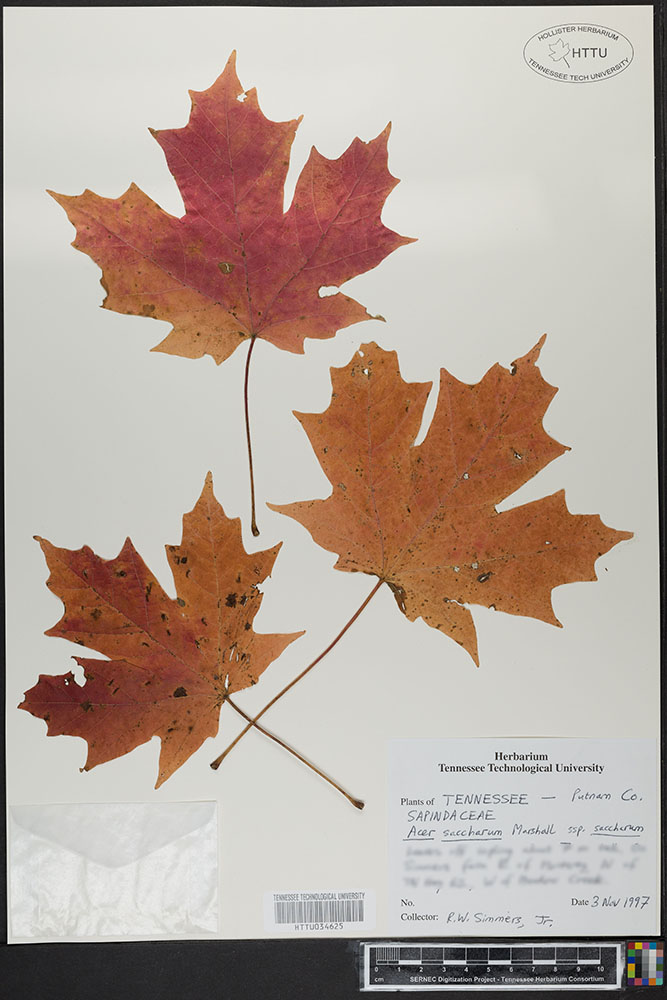
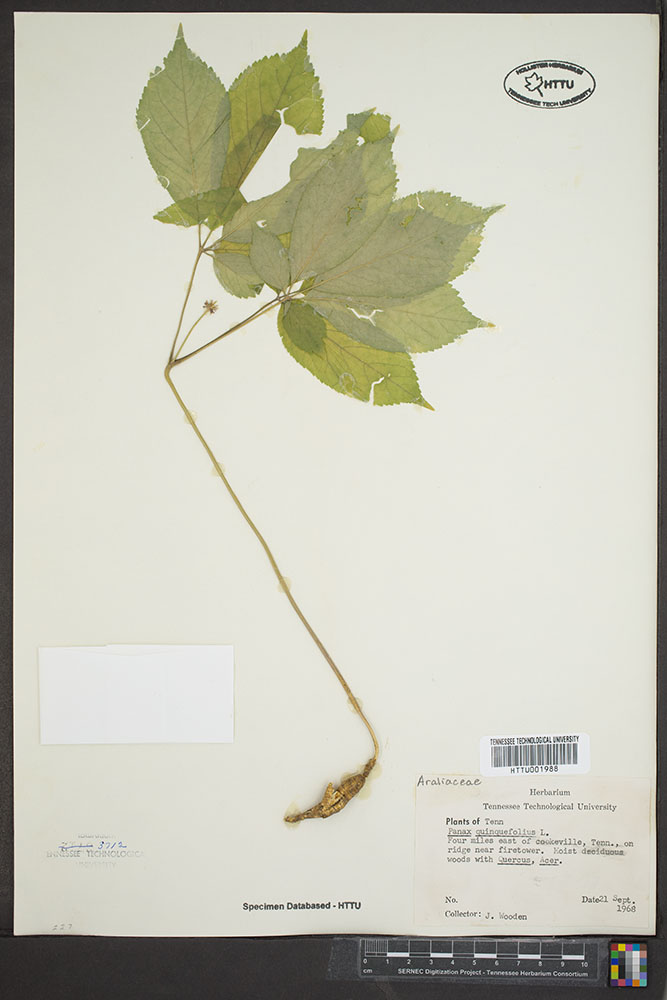
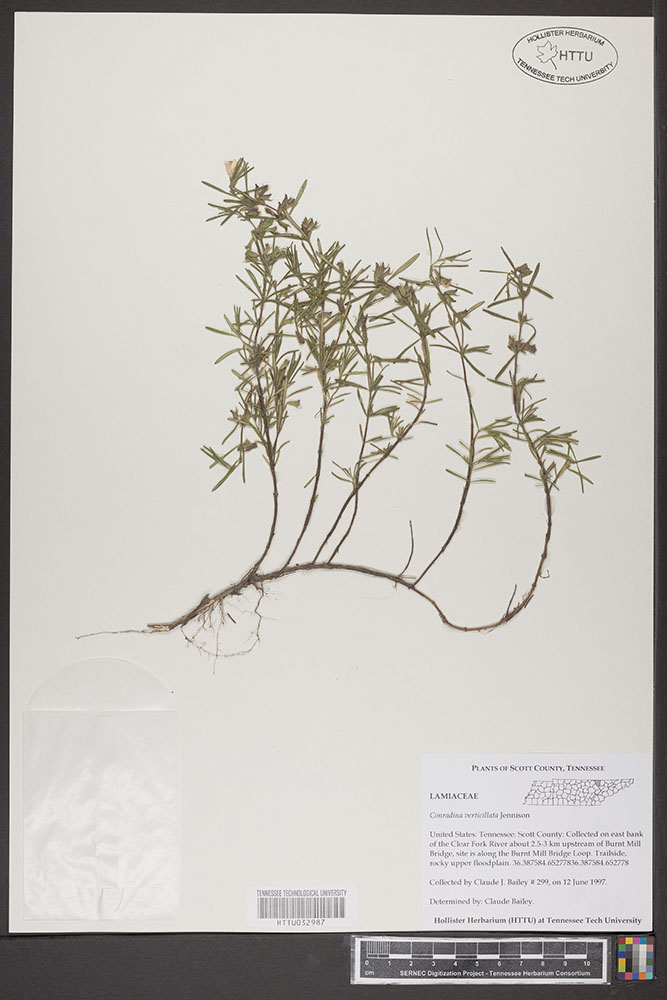
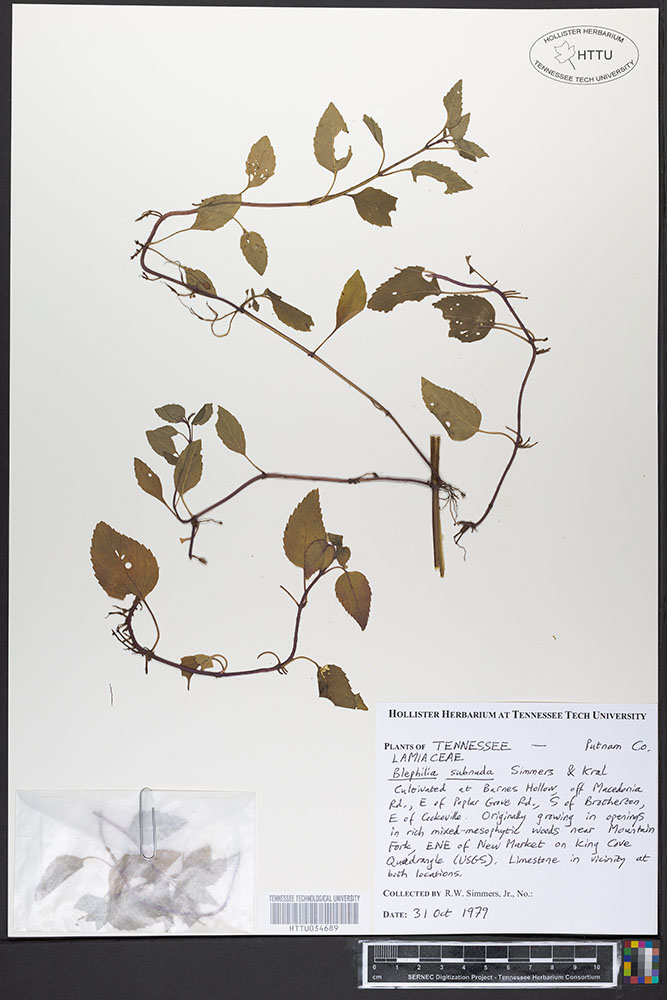
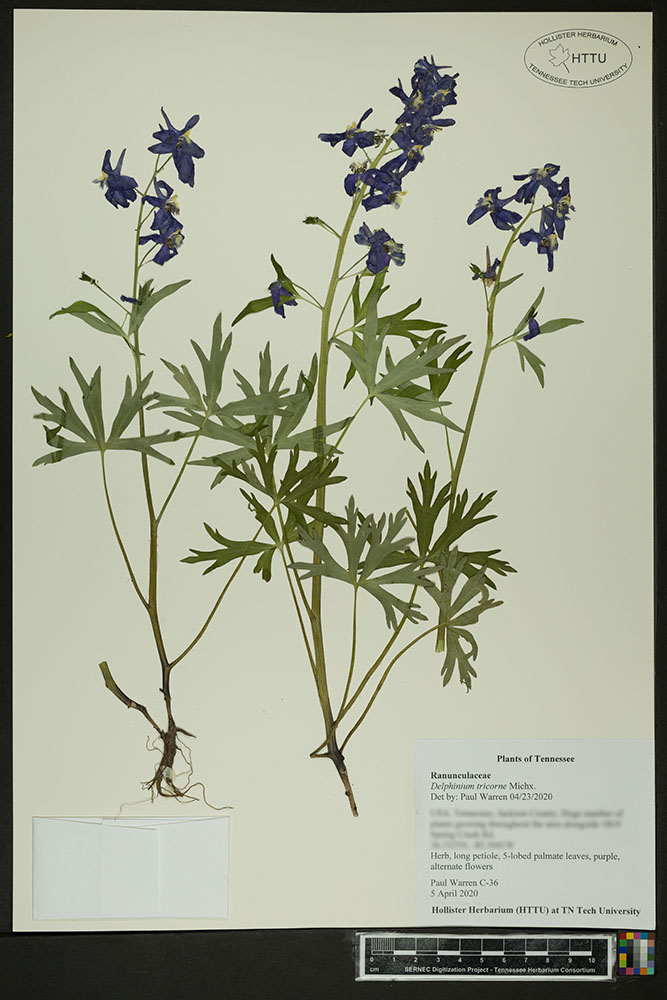
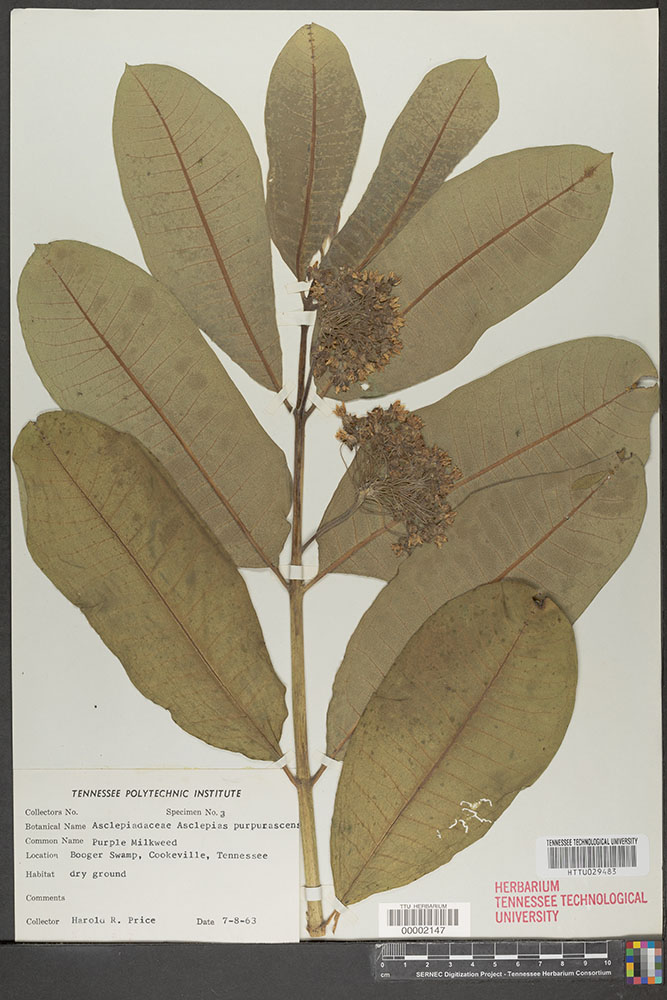
The Paul L. Hollister Herbarium (HTTU) is a permanent natural history collection operated by the Department of Biology at Tennessee Tech University. The herbarium preserves more than 45,000 botanical specimens documenting Tennessee’s plant diversity, with particular strengths in the flora of the Eastern Highland Rim, Cumberland Plateau, and southeastern United States.
Established as a formal university collection in 1969 and built upon specimens dating to the 1800s, the herbarium supports public education, scientific research, biodiversity conservation, and the long-term preservation of Tennessee’s botanical heritage.
The Hollister Herbarium is available to students, researchers, educators, community organizations, and members of the general public. Visits and guided tours are available by appointment.
What We Do
We acquire, accession, document, protect, and maintain botanical specimens as a permanent record of plant diversity. Our collection contains plants from the 1890s through the present day.
We welcome individuals and groups to explore the collection through scheduled visits, guided tours, educational programs, exhibitions, and online specimen records.
Our specimens provide evidence of where and when plants have occurred and support research in taxonomy, ecology, conservation, environmental change, and regional floristics.
The herbarium provides hands-on learning for Tennessee Tech students and programs for schools, community organizations, naturalists, and other public audiences.


45K+
Preserved Specimens
4K+
Plant Species Represented
130+
Years of Botanical Documentation

Public Access
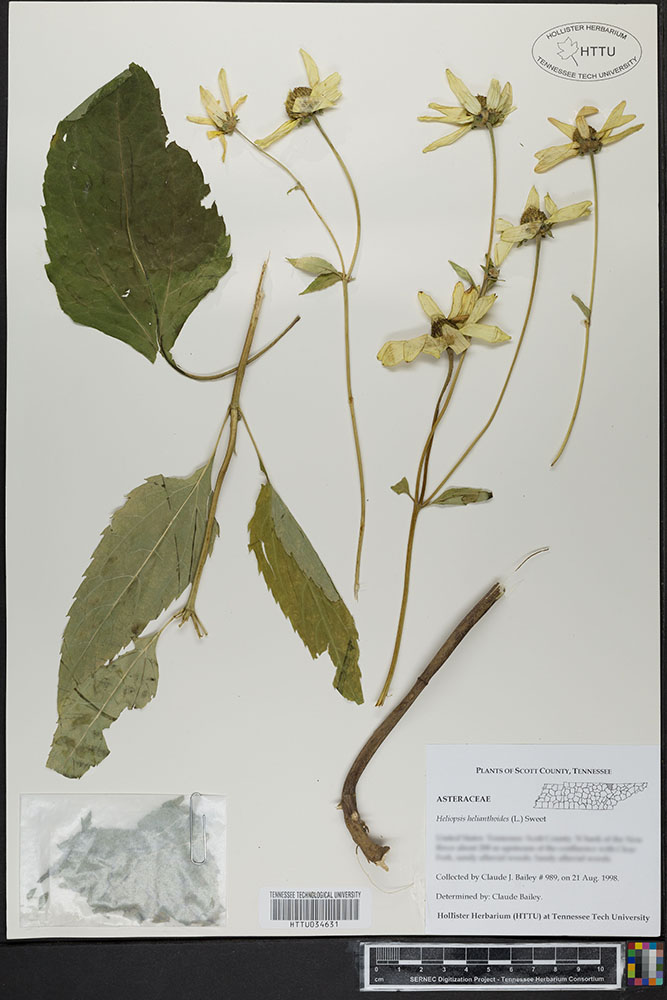
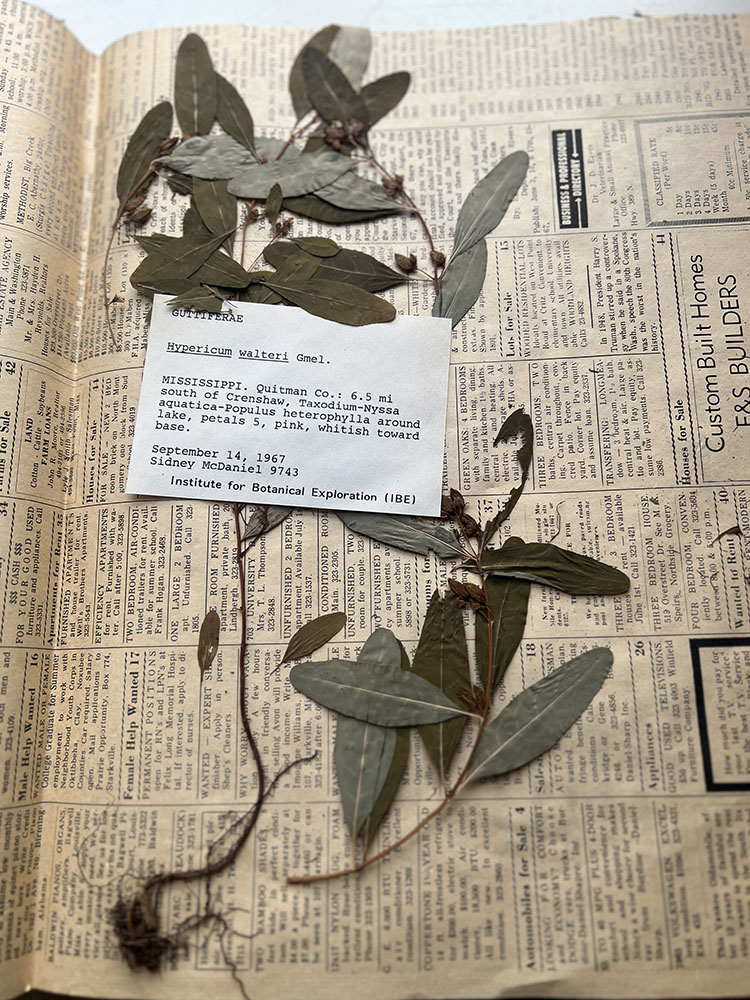
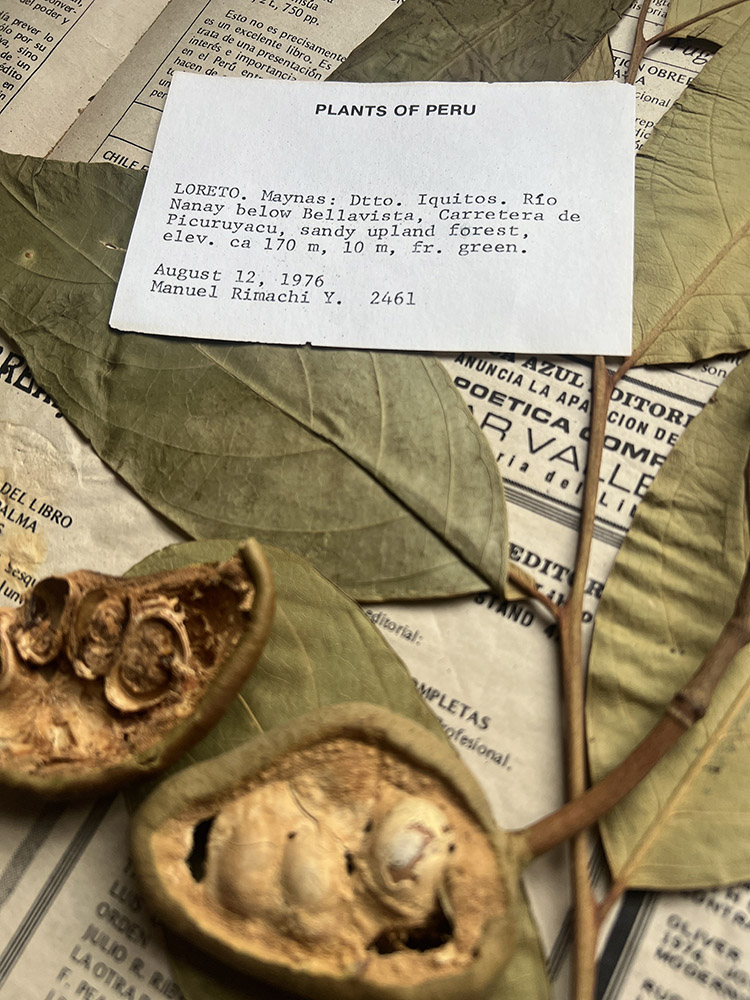
The Hollister Herbarium provides access to its collections throughout the year by appointment. Visits are free, and no university or professional affiliation is required. Individuals, families, school groups, community organizations, naturalists, and researchers are welcome.
Because the collection is an actively used research and teaching facility, advance appointments allow staff to prepare specimens and provide an appropriate guided experience.
Schedule an Educational or Community Tour Schedule a Research Visit