

A Small Herbarium with a Remarkable Research Reach
The Hollister Herbarium at Tennessee Tech is a relatively small natural history collection, preserving more than 45,000 plant specimens. Its scientific reach, however, is much larger than the number of specimens in its cabinets might suggest.
As of September 2026, the HTTU dataset in the Global Biodiversity Information Facility was connected to 336 research publications and other scholarly works tracked by GBIF. The dataset currently provides 42,240 digital occurrence records, meaning that HTTU data have contributed to an extraordinary range of research for a collection of this size.
Approximately 75 percent of the associated works are journal articles, and 258 are identified as peer-reviewed. The remaining works include theses, conference proceedings, reports, and working papers. Together, they demonstrate that specimens housed in Cookeville are supporting research conducted far beyond Tennessee.
From pressed plants to global research
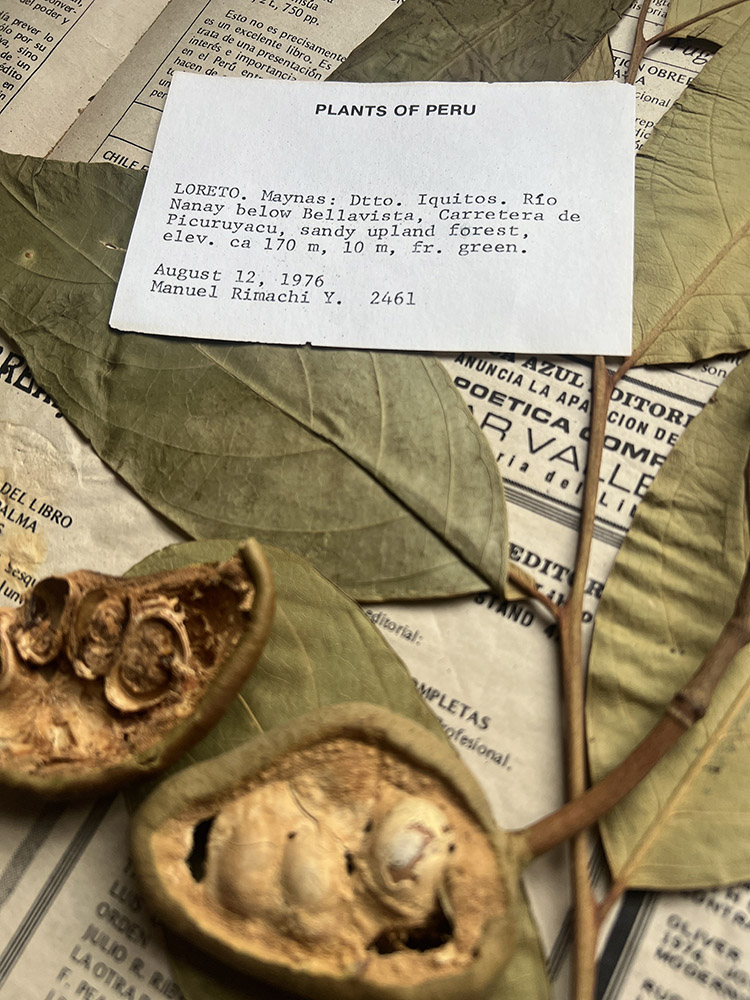
Each herbarium specimen documents a plant at a particular place and time. Its label may record the species name, collector, date, locality, habitat, and other observations. When this information is placed online, researchers can combine it with millions of other biodiversity records to study questions that no single collection could address alone.
Research associated with the HTTU dataset spans numerous fields. GBIF’s overlapping subject classifications include:
- Ecology: 91 works
- Invasive species: 64 works
- Climate change: 58 works
- Evolution: 44 works
- Biodiversity science: 42 works
- Phylogenetics: 39 works
- Conservation: 30 works
- Biogeography: 30 works
- Species distributions: 23 works
- Taxonomy: 21 works
HTTU records have contributed to studies of changing plant distributions, invasive species, conservation priorities, evolutionary relationships, climatic niches, and patterns of biodiversity. Some studies focus on Tennessee or the southeastern United States, while others combine HTTU records with data from collections around the world.
What the citation number means
GBIF identifies publications that cite or use biodiversity data made available through its network. Of the 336 works currently associated with HTTU, 321 are classified as having used GBIF-mediated data that included records from our collection. Fifteen are classified as directly citing GBIF or an associated dataset. These categories describe different forms of data use, and an individual publication may appear in more than one category.
The total therefore should not be interpreted as 336 papers written specifically about the Hollister Herbarium. Instead, it shows how often HTTU records have become part of the evidence used in broader scientific research. This is one of the most important benefits of sharing specimen data through networks such as GBIF and the Southeastern Regional Network of Expertise and Collections.
Digitization multiplies the value of a collection
A physical specimen may be consulted by researchers for generations, but digitization allows its basic information to be discovered and analyzed anywhere in the world. A specimen does not have to leave the herbarium to help answer a research question.
The impact is especially striking because much of the HTTU collection has only skeletal database records. Many entries still require transcription of complete label information, verification of geographic data, taxonomic review, and imaging. Even in its present form, the digital collection has contributed to hundreds of research products.
Completing the database will make the collection still more useful. More detailed locality, date, habitat, collector, and identification information will allow researchers to discover additional relevant specimens and use them with greater confidence. Improved records will also strengthen conservation planning, floristic research, education, and our understanding of environmental change in Tennessee and the Upper Cumberland region.
The Hollister Herbarium may be modest in size, but its specimens are part of a global scientific resource. Every label that is transcribed and every record that is improved increases the likelihood that a plant collected years ago will contribute to the next study, conservation assessment, or discovery.