

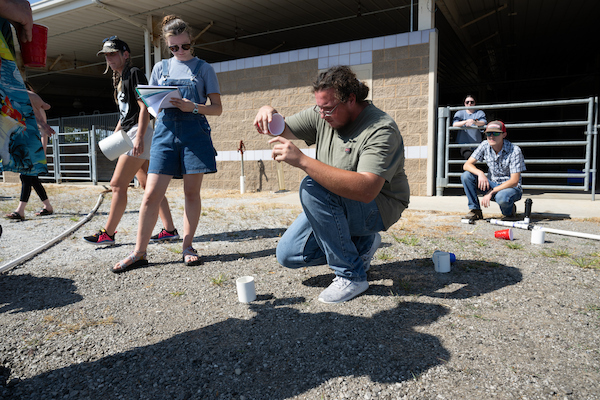
Soil & Land Resources
Explore how soil properties, land use, and agricultural practices influence environmental health.
- Soil science
- Land management
- Environmental quality
Protect the resources agriculture depends on. Explore the science behind healthy soils, clean water, and sustainable natural resource management. Tennessee Tech’s Soil and Water Conservation concentration combines agriculture with environmental science to prepare you to address challenges affecting soil, water quality, ecosystems, and the landscapes that support our communities.
Healthy soil and clean water are essential to agriculture, ecosystems, and communities. In Soil and Water Conservation, you’ll study how natural systems interact with agricultural practices while developing the scientific knowledge needed to protect resources, improve environmental quality, and solve real-world conservation challenges.
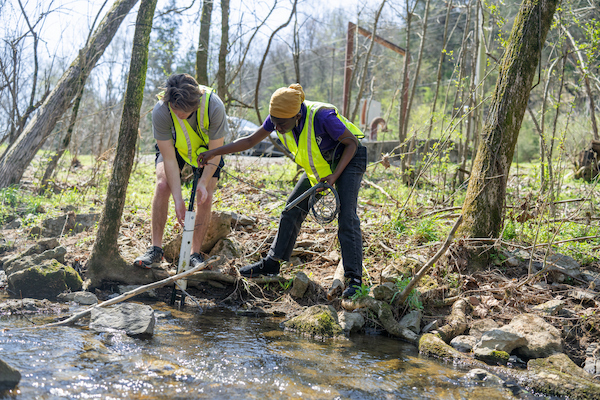
Soil & Land Resources
Explore how soil properties, land use, and agricultural practices influence environmental health.
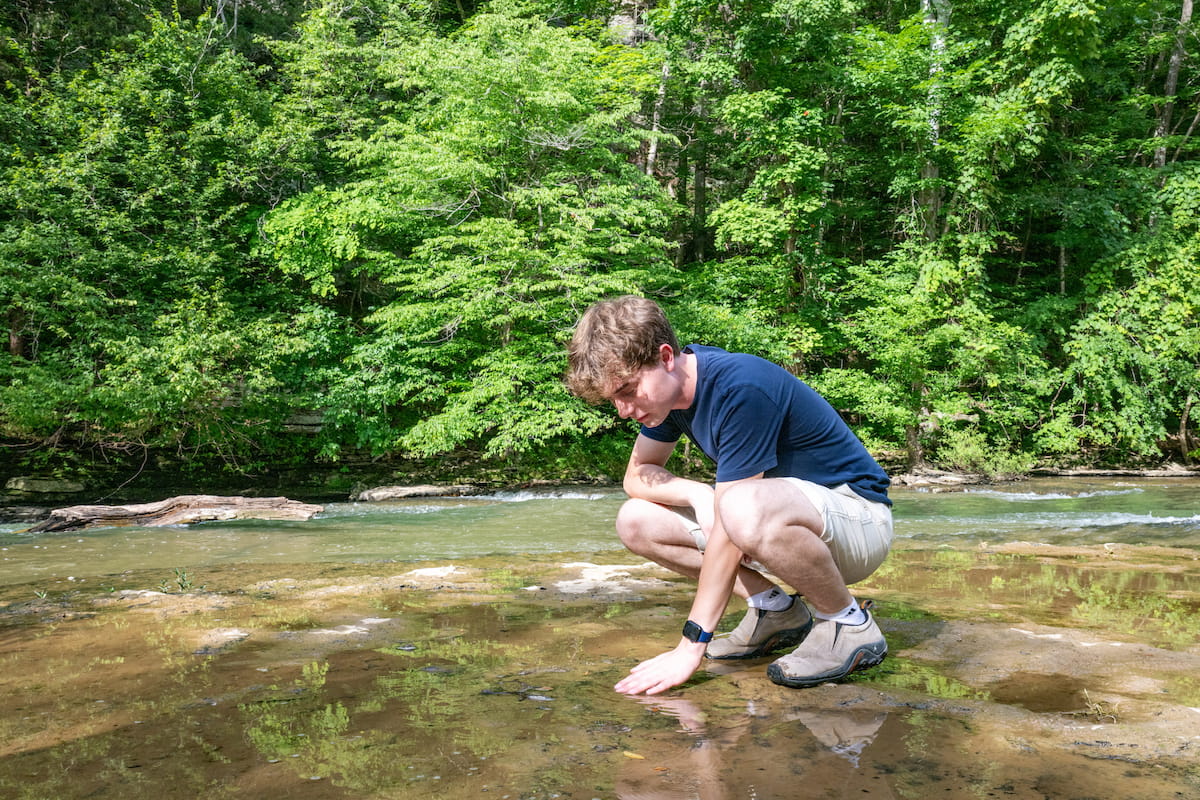
Water & Environmental Systems
Study the movement, quality, and management of water within natural and agricultural environments.
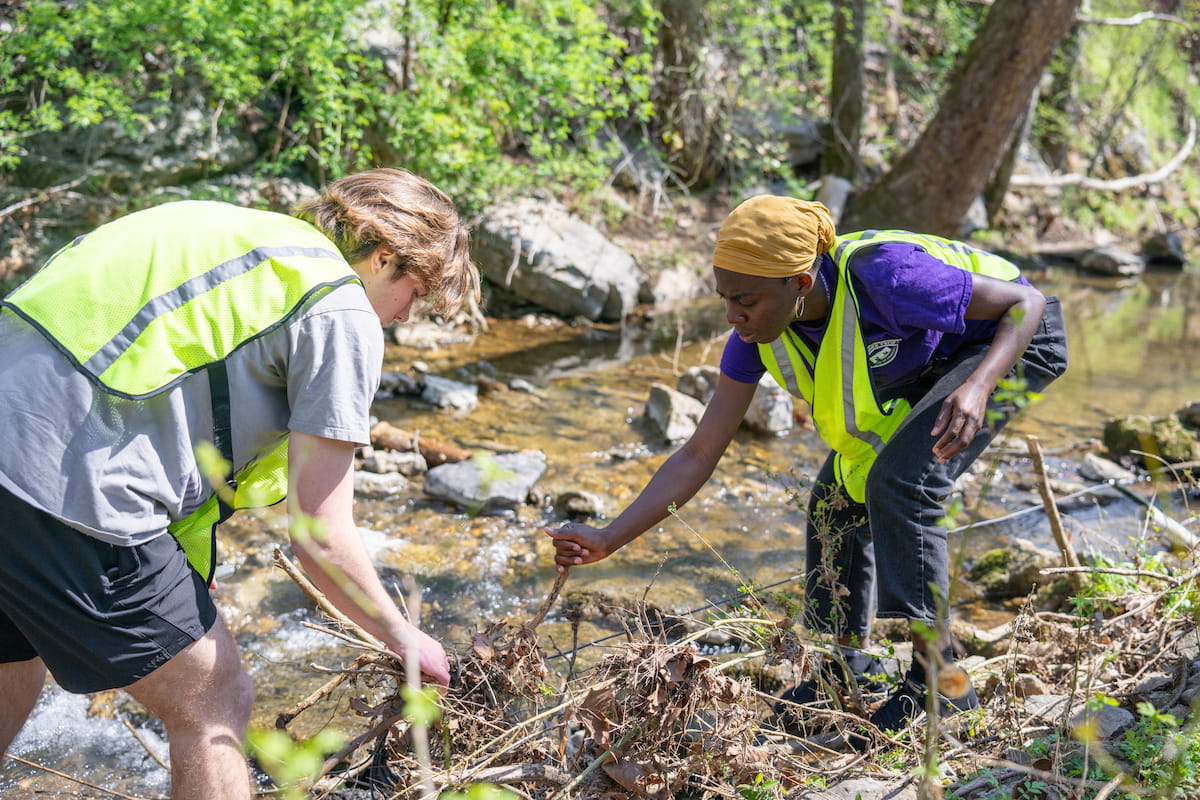
Conservation & Technology
Use scientific tools and interdisciplinary knowledge to understand and manage natural resources.
Coursework in agriculture, soil science, hydrology, ecology, biology, geology, and GIS helps you understand environmental systems from multiple perspectives. Through laboratory and field-based learning, you’ll connect scientific concepts with the real-world challenges involved in protecting soil, water, and other natural resources.
Build leadership skills, expand your network, and connect with fellow students who share your interests.
Graduates are prepared for careers focused on environmental quality, conservation, and responsible natural resource management.

At Tennessee Tech, you’ll study conservation through both an agricultural and environmental lens. By combining soil science, water quality, hydrology, ecology, GIS, and other natural sciences, you’ll develop a broad understanding of the systems that shape environmental quality and gain the practical knowledge needed to protect the natural resources agriculture and communities depend on.